

From wasted space to strategic asset: Workplace optimisation that maximises every square foot
Date
15 January 2026
Read length
5 min
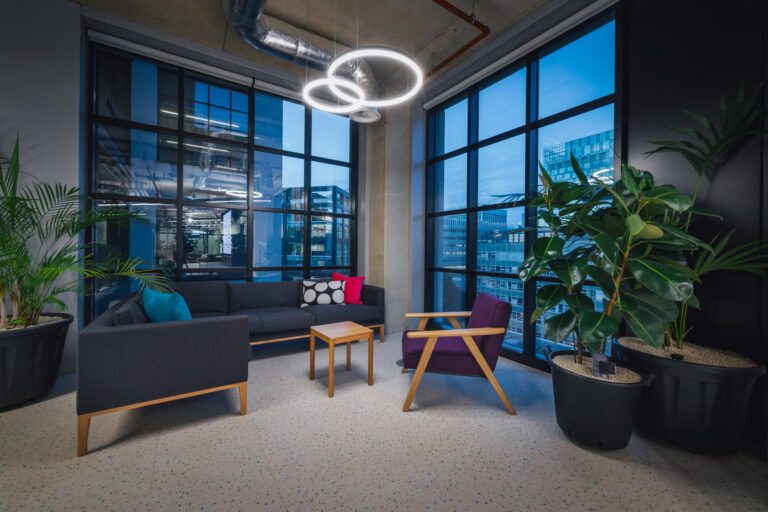
Office space optimisation has become a hot topic in today’s business world. With hybrid and flexible working now the norm, the traditional office setup has evolved. Businesses are rethinking not just how much space they need, but how that space is used to maximise its value.
The modern office can’t be just a place to work; it needs to provide an experience, offering something employees can’t get at home. From collaboration zones to areas that enable creativity and connection, the office must deliver real value to justify its role.
Determining the right amount of space can be challenging, but it’s worth the effort. A well-designed office impacts team productivity, engagement, and overall workplace experience. Getting it right isn’t just about square footage it’s about creating an environment that supports your people and your business goals.
Benefits of space optimisation
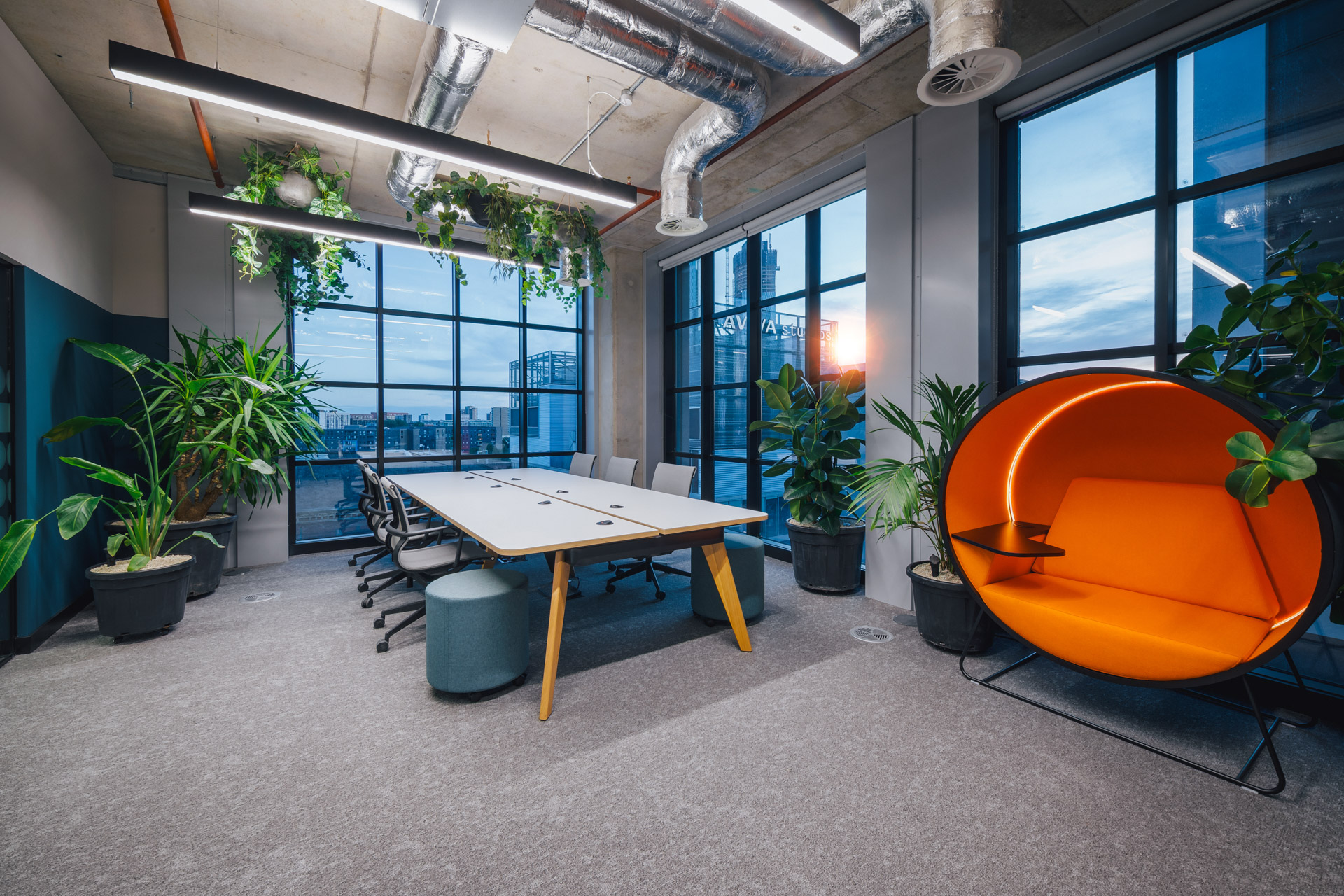
Optimising office space is more than just making it look good; it’s about creating an environment that supports productivity and collaboration. When businesses get it right, the benefits extend to improved employee satisfaction, efficiency, and overall workplace performance as well as providing financial and environmental gains.
Cost reductions
Real estate represents one of the biggest costs firms face and if this space isn’t being used efficiently, that cost is ultimately an avoidable one. Research from CoStar indicates that whilst office occupancy is seeing a resurgence the national average still sits at just 38%. Our recent studies across various businesses and industries reflect this trend, with average occupancies as low as 16%-20% at some organisations with peak occupancies of only 36% and 38% respectively with peak occupancy observed between just 35-40%.
This underutilisation underscores a broader challenge for organisations – how to align their real estate footprint with actual working patterns. Through combining the findings of our workplace consultancy work with creative interior design, we helped one organisation cut their office footprint by 7,000 sq. ft, resulting in savings of £1.2 million over five years. In another project, we worked with a business to embed agile working practices, which allowed them to halve their space and unlock an impressive £9 million saving across a five-year lease.
These examples show how rethinking the way space is used can deliver significant financial benefits while creating environments that truly support modern ways of working.
Improved employee satisfaction
Focusing on the employee experience can have a big impact, with studies showing it may reduce turnover by up to 43%. The office plays a crucial role in shaping a company’s culture. The most successful and high-performing workplaces thrive because they combine excellent facilities with memorable experiences. They meet employees’ needs and help build a strong, positive culture. In contrast, empty offices feel lifeless. Low attendance creates a domino effect: when few people are present, others feel less inclined to come in because there is little incentive. When the office becomes a place that supports different working styles and drives meaningful connections, it transforms into a destination people genuinely want to be part of.
For young employees and new starters, an office designed for optimal performance is a powerful incentive, offering the ideal environment for mentorship, training, connection with experienced colleagues, and social interaction.
Enhanced productivity
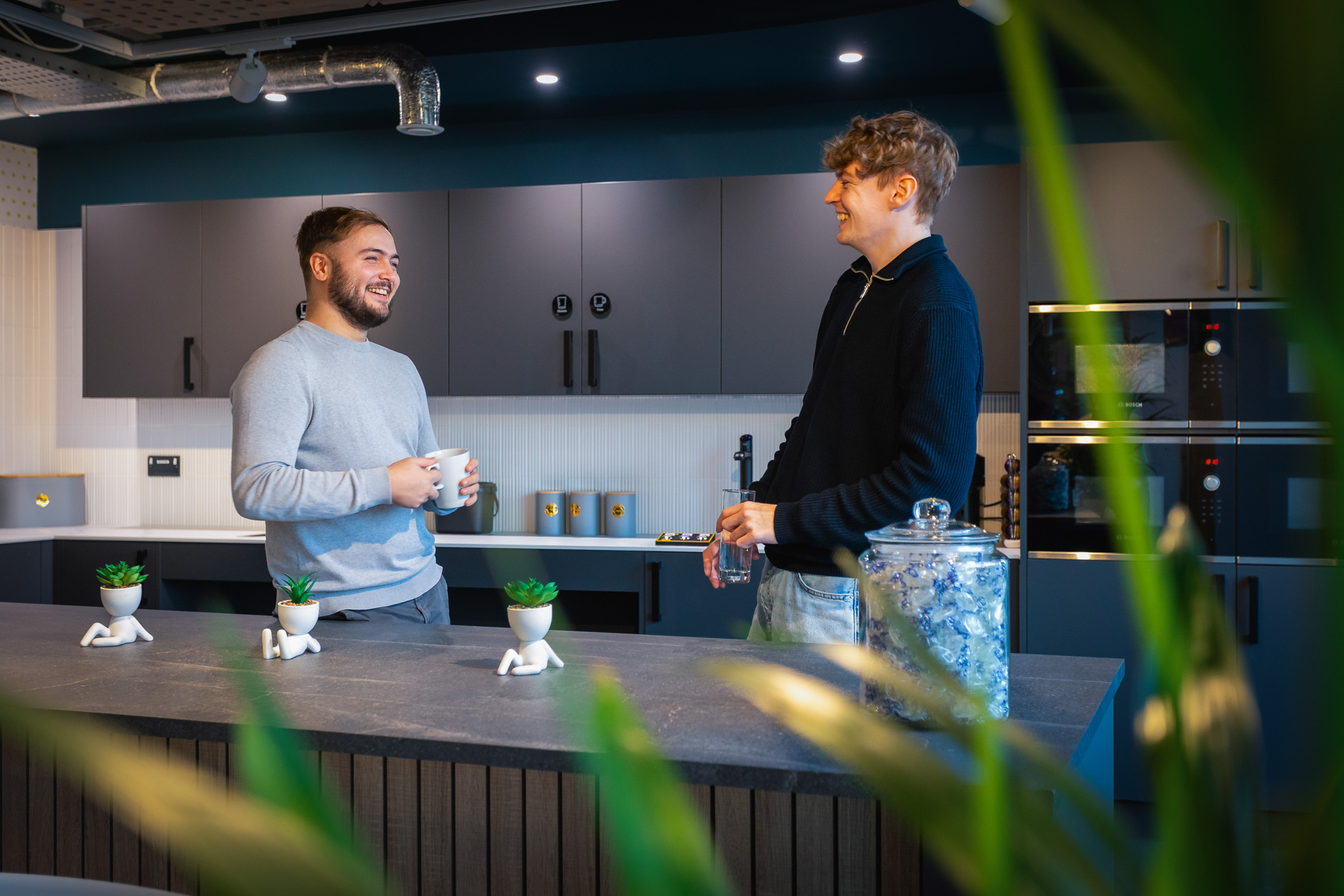
Employee satisfaction and productivity are closely connected, with research from the University of Oxford showing that happy workers are 13% more productive. Workplace optimisation plays a key role in supporting this link.
Optimising office space means designing layouts that maximise functionality and flow. By reducing empty areas and ensuring every square foot serves a purpose, businesses create environments that feel organised and efficient.
Well-designed spaces reduce empty areas and break down siloes, creating stronger connections between teams. Improved collaboration, particularly face-to-face, drives better problem-solving and innovation than virtual alternatives. This is especially valuable for client-facing teams, where in-person engagement strengthens relationships and outcomes.
Environmental benefits
Optimising office space not only helps with your businesses for performance but in building towards environmental goals. Corporate real-estate accounts for 40% of greenhouse gas emissions yet research has shown that office buildings waste approximately 30% of their total energy costs on systems that are poorly adjusted to the actual usage and occupancy of the building. In London alone, inefficient energy use is costing businesses £35 million a year.
Reducing unused areas means less energy wasted on heating, cooling, and lighting. Every square foot that serves a purpose helps cut unnecessary consumption. Large, empty spaces with scattered attendance often lead to wasted energy and higher carbon output.
By aligning space with actual usage, businesses can reduce energy waste and lower their carbon footprint, as well as saving significant money, making space optimisation an essential part of any sustainability strategy.
Ways to optimise your office space
Flexible workspaces are one of the most effective ways to maximise office potential. Modular sofas, seating booths, and adaptable workstations can be rearranged to suit different needs, whether for collaboration, focused work, or informal meetings.
Smart spaces take this concept further by introducing multi-functional rooms. Movable curtains or partitions allow areas to transform quickly. For example, a social space can be converted into a town hall venue in minutes. Similarly, two smaller meeting rooms separated by a bi-fold wall can combine into a boardroom or training space, catering to frequent smaller meetings while also accommodating occasional larger sessions. These strategies ensure every part of the office works harder, supporting a variety of activities without requiring additional square footage.
Our workplace consultancy expertise
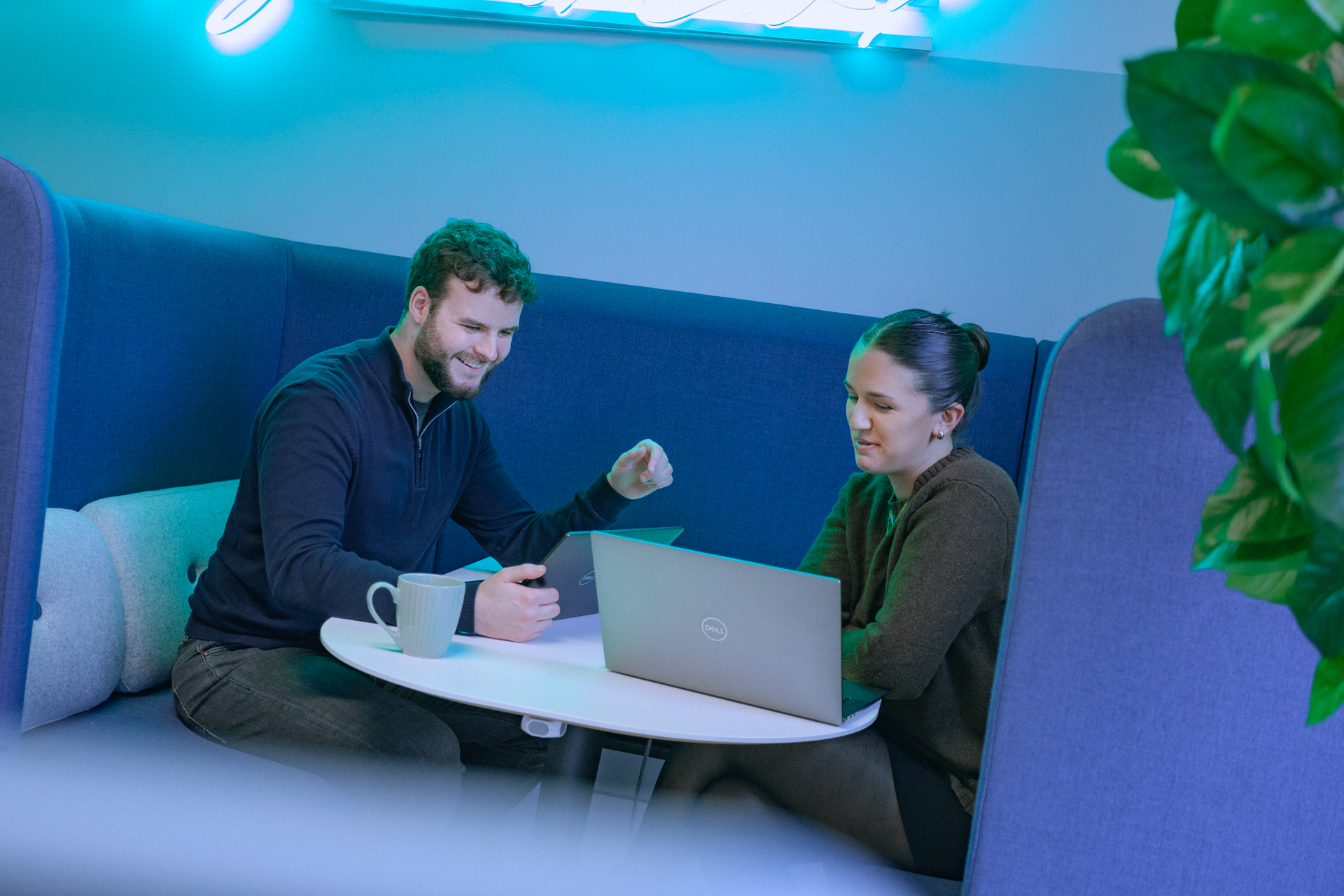
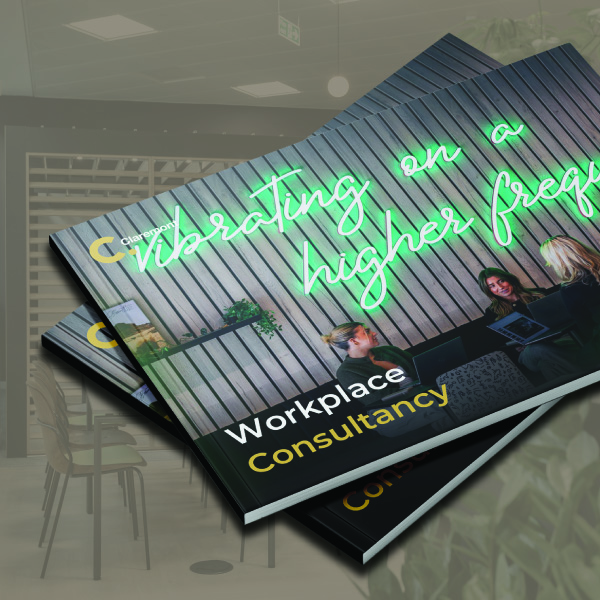
Our Workplace Consultancy team creates environments where people thrive. Using data-driven insights and proven design expertise, we tailor every project to your culture, align it with your goals, and ensure it stands the test of time.
As part of our consultancy service, we carry out space utilisation studies to understand how your office is really being used. This includes looking at occupancy levels, how different areas of the floor plate are utilised, and the working styles and patterns of your teams.
Over a set period, we observe how people interact with the space and analyse behaviours to identify opportunities for improvement. Using heat maps, we highlight occupancy and usage across workstations, meeting rooms, collaboration zones, social areas, and support spaces.
These insights allow us to make informed recommendations on the space you need and create a design brief tailored to your organisation’s goals and to support space optimisation.
We can also provide thoughtful recommendations to help you navigate any challenges that come with optimising space, ensuring your workplace remains functional and balanced. Drawing on our experience, we’ve addressed issues such as noise, acoustics, confidentiality, and the need for semi-private areas, as well as the strategic placement of teams and work settings to support productivity and collaboration and get the best out of your office.
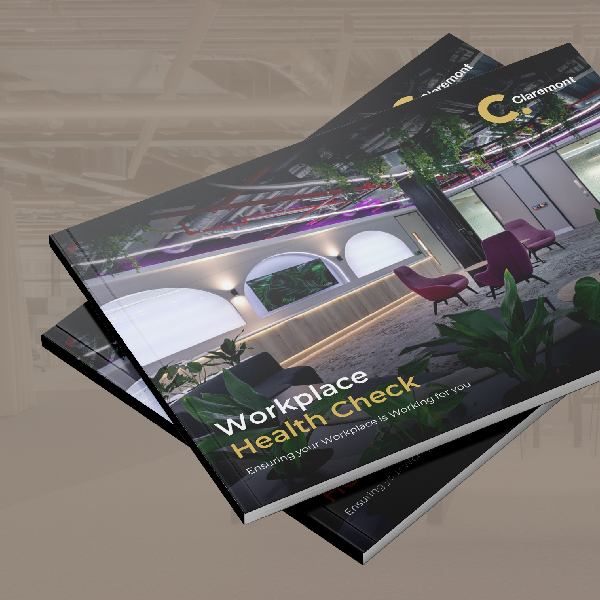
Wondering if your office space is being used to its full potential? Read our Workplace Healthcheck to discover how we can help.
Our thinking
Catch up with out latest thoughts on transforming the workplace, and explore our ‘Future Flexible – The Destination Office’ concept
See how we could help with your new office interior design or office design and build project here
Get in touch
We love nothing better than talking all things workplace and design – got a question, potential project or just need some guidance?
Drop us a note…