


UK office attendance reaches post‑Covid high – Are mandates working?
Date
11 March 2026
Read length
5 min
What do John Lewis, Manchester United, HSBC, and Uber all have in common? They’ve all introduced return‑to‑office mandates, along with many other organisations. The requirements differ, with some companies asking employees to be in the office five days a week while others continue to allow a few days of remote work. Regardless of the specifics, the trend is clear: firms want employees back in the workplace.
According to The Guardian, average UK office attendance has remained above 40% every week since the start of 2026, reaching a peak of 44.2% in early February. These are the highest figures since the Covid‑19 pandemic began, signalling a meaningful shift in working habits. But this raises an important question: are mandates driving the increase, or are employees simply more willing to return?
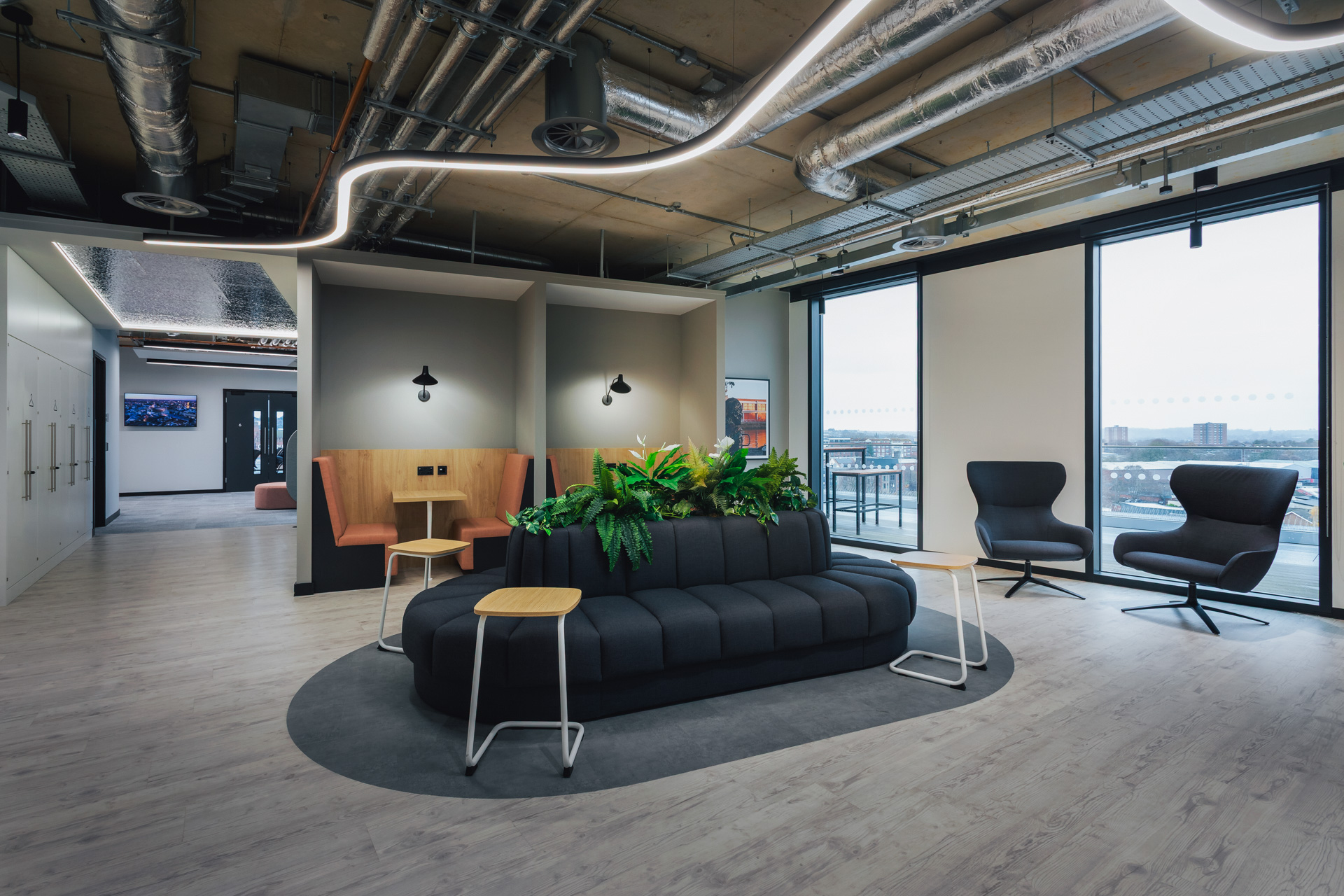
The answer appears to be a blend of both. Mandates may set a baseline expectation, but rising attendance is also being fuelled by employees seeing more value in what the office offers. When workplaces meaningfully enhance the working day through better experiences, improved support, and environments designed around how people want to work, coming into the office begins to feel beneficial rather than compulsory. In many cases, attendance is less about policy compliance and more about people recognising the benefits of their space.
The evolving role of the office
The role of the office has fundamentally changed. It is no longer just a place to complete tasks, but a space that supports social connection, nurtures belonging, and helps move the business forward in a more aligned and innovative way.
Culture and connection
The office is one of the key environments where culture is lived and reinforced. Leadership, policies, training, and support are all important drivers of culture, but it is often in shared spaces where those values are experienced most authentically. When people feel valued and connected to a common purpose, the office becomes a setting that enhances their working lives, rather than a place they attend because they are told to.
Collaboration and creativity
While digital tools have made remote collaboration easier, physical proximity still offers distinct advantages. Quick questions turn into problem‑solving moments, informal conversations spark new thinking, and teams can build ideas in real time. The spontaneity and energy of in‑person collaboration often unlock creativity and strengthen relationships in ways that are difficult to replicate on a screen.
Supporting early‑career growth
The workplace also plays a crucial role in supporting early‑career employees. Being physically present enables them to learn by observing others, ask questions freely, and build confidence. For many, the office acts as a space for growth, guidance, and informal development, opportunities that can be harder to access remotely.
“Being in the office can help many employees, especially those early in their careers, build friendships, strengthen collaboration, and feel more connected to their colleagues and the organisation. However, strict return‑to‑office mandates risk pushing valued employees away by reducing flexibility and autonomy. They may also create additional barriers for people with disabilities or those who are neurodivergent, for whom remote options have been essential. Organisations should consider these impacts carefully when designing any mandate to avoid harming retention, morale, and inclusion.”
Ellie Freeman – Workplace Consultant, Claremont
Why RTO policies need a nuanced approach
Despite the clear value the office can provide, organisations must still approach mandates with care. Employees’ needs, personal circumstances, and lives beyond work matter just as much as business requirements.
A recent example highlights this complexity. JPMorgan Chase’s five‑day office mandate triggered considerable backlash, with around 2,000 employees signing a petition urging leadership to reverse the decision. It demonstrates how quickly morale can decline when people feel their flexibility or autonomy has been taken away.
Ellie Freeman, Workplace Consultant at Claremont, explains that “being in the office can help many employees, especially those early in their careers, build friendships, strengthen collaboration, and feel more connected to their colleagues and the organisation.” She acknowledges this value but warns that “strict return‑to‑office mandates risk pushing valued employees away by reducing flexibility and autonomy and may also create additional barriers for people with disabilities or those who are neurodivergent, for whom remote options have been essential.” She emphasises that organisations should “consider these impacts carefully when designing any mandate to avoid harming retention, morale, and inclusion.”
In other words, mandates may influence attendance numbers, but they do not guarantee engagement or long‑term success.

Finding the balance between people, place, and performance
As discussions about office attendance continue to evolve, one thing is clear: how organisations communicate expectations matters just as much as the policies themselves.
Striking the right balance between business priorities and people’s real‑world needs is not straightforward. Yet the decisions organisations make now will have a significant impact on trust, culture, performance, and retention in the long term.
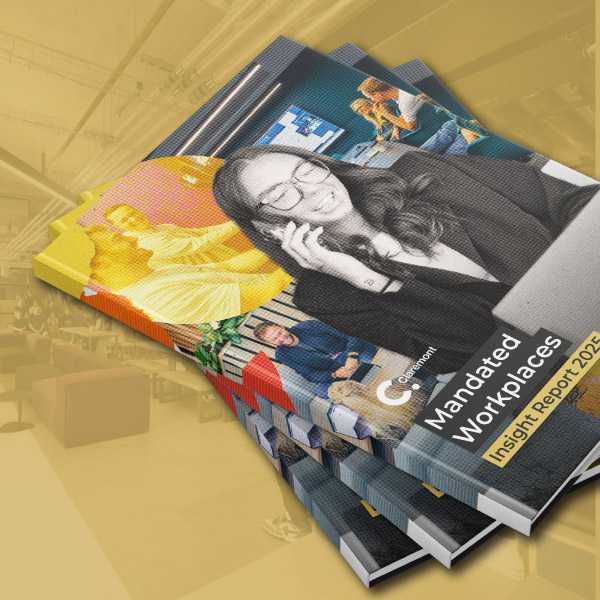
Our latest Insight Report, Mandated Workplaces, explores these themes in depth, examining not only how mandates are communicated but also the wider strategic role of the workplace, the importance of balance, and what it truly takes to build a positive, high‑performing culture. It brings together practical considerations and examples to help leaders navigate this shifting landscape with clarity and confidence.
Find the full Guardian article here
Our thinking
Catch up with out latest thoughts on transforming the workplace, and explore our ‘Future Flexible – The Destination Office’ concept


See how we could help with your new office interior design or office design and build project here
Get in touch
We love nothing better than talking all things workplace and design – got a question, potential project or just need some guidance?
Drop us a note…