

The meaning of agile working
Date
26 May 2025
Read length
1 min
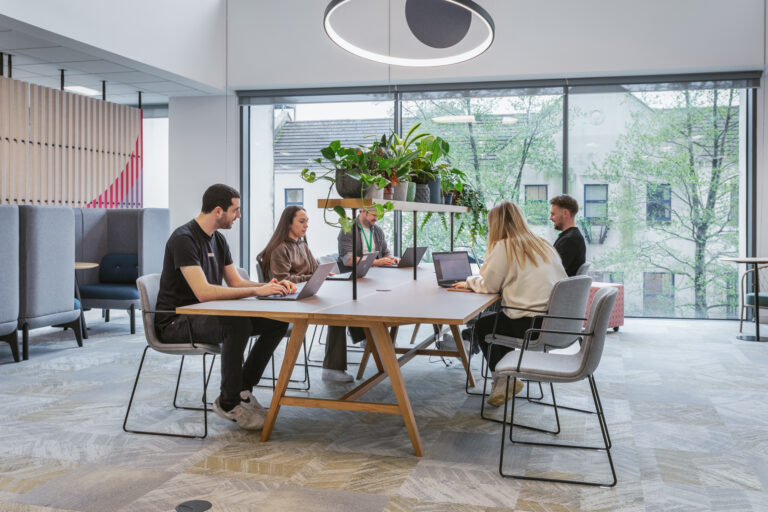
Agile working has become a central part of how many modern businesses operate. It can sometimes feel like you can’t go a week without hearing the term in everyday conversation. But what does it actually mean in practice, and how should workplaces adapt to support it? To some, it can seem like an abstract concept. However, it’s one of the most important foundations of modern-day office design.
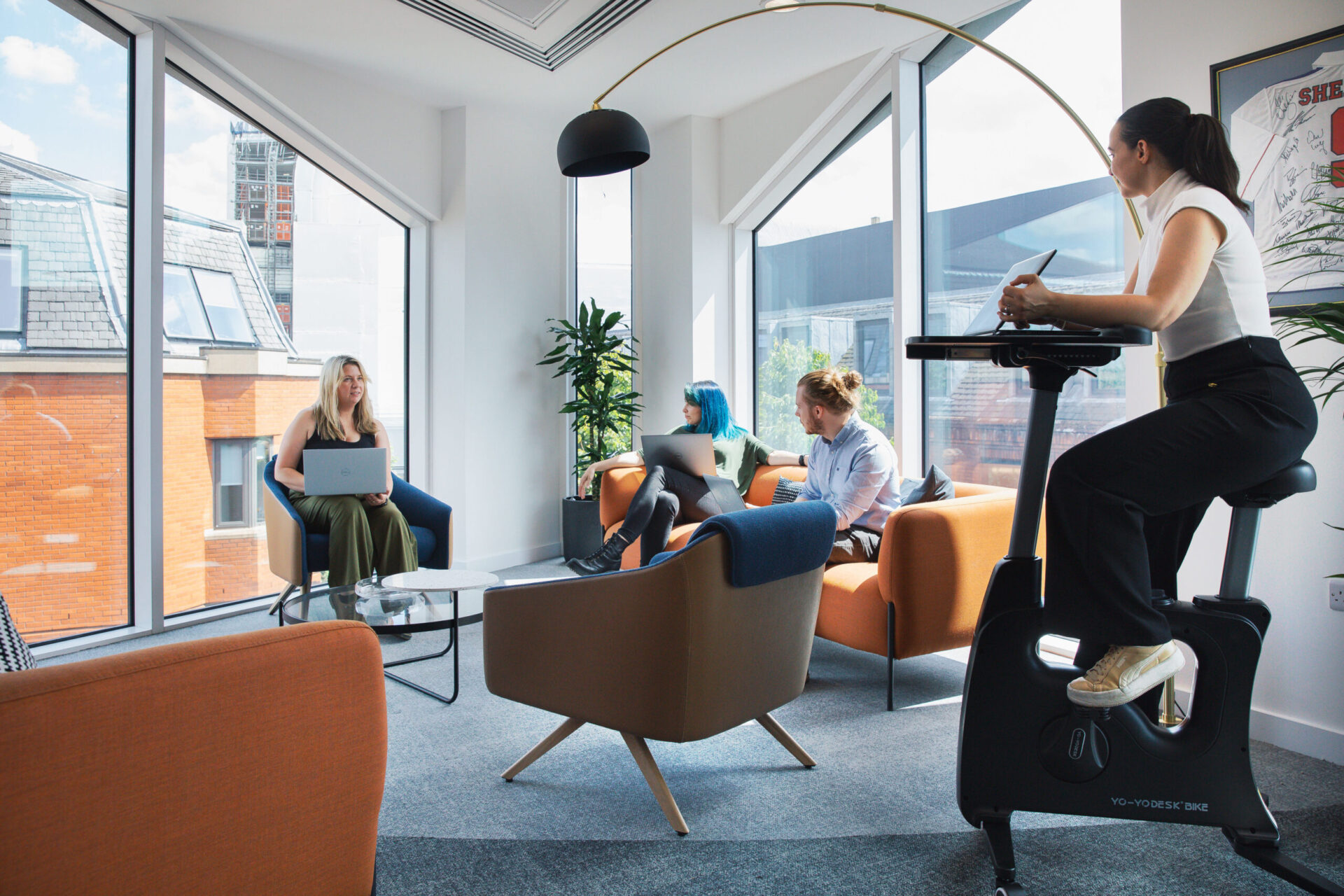
At its core, agile working is about giving people the flexibility to work in a way that allows them to perform at their best. Rather than being tied to a fixed desk, location or schedule, employees can choose how, where and when they work, based on the task at hand and their individual working preferences.
For organisations, this isn’t just a cultural shift. It’s a strategic opportunity to improve performance, make better use of space, and create a more effective workplace for everyone.
What Is Agile Working?
Agile working is a flexible approach to work that focuses on outcomes over presenteeism.
Instead of measuring productivity by time spent in the office, businesses adopting agile working prioritise results and performance, collaboration and communication and adaptability to change
In an agile work environment, employees are trusted to decide:
- Where they work (home, office, or elsewhere)
- When they work (within agreed parameters)
- How they work (independently or collaboratively)
This shift is enabled by technology, but it’s ultimately driven by a change in mindset: from fixed structures to flexible, performance-led ways of working.
Agile Worker Meaning: What Does It Look Like in Practice?
An agile worker is someone who can adapt their working style to suit different tasks, environments and priorities.
Rather than following a rigid routine, agile workers adapt their environment and approach depending on the task at hand.
They may choose quiet spaces when focus is needed, move to collaborative areas for team discussions, or work remotely when it supports productivity. Working hours can also be adjusted to better align with periods of peak performance.
This flexibility supports both individual efficiency and team effectiveness, allowing people to work in ways that deliver better outcomes.
Agile Working vs Flexible and Hybrid Working
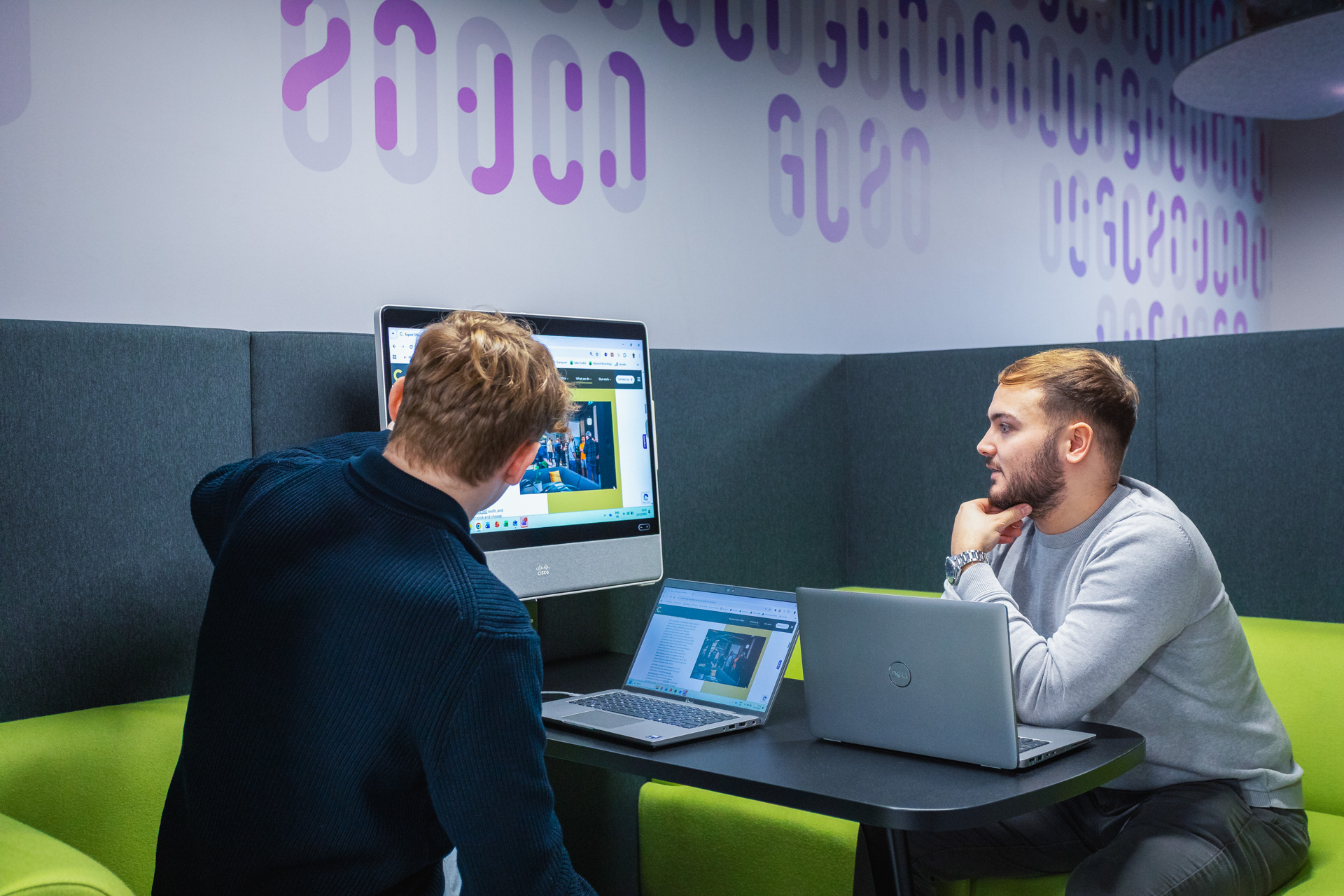
Agile working is often used interchangeably with other terms, but there are important differences.
- Flexible working typically refers to changes in hours or location (e.g. working from home or flexible start times).
- Hybrid working describes a split between home and office-based work.
- Agile working goes further, focusing on how work is done, not just where or when.
It also overlaps with:
- Activity-Based Working (ABW)
- Smart working
- Location-independent working
In reality, agile working often brings these approaches together under one strategy—aligned around performance and adaptability.
Why Agile Working Matters for Businesses
Adopting agile working is not just about employee preference. When implemented effectively, it can deliver measurable business benefits.
Improved Productivity
By allowing people to work in environments that suit their tasks, agile working reduces distractions and improves focus, leading to better output and an overall higher quality of work.
Better Use of Space
Traditional offices are often underutilised. Agile workspace design enables organisations to optimise space based on real usage, rather than fixed desk allocations.
Stronger Employee Experience
Flexibility is now a key factor in attracting and retaining talent. Agile working supports autonomy, trust and work-life balance, helping to strengthen employee experience.
Greater Adaptability
Businesses that embrace agile working are better equipped to respond to change, whether that’s growth, restructuring, or shifts in how teams operate.
Agile Workspace Design: What Needs to Change?
For agile working to succeed, the workplace itself needs to support it.
This is where agile workspace design plays a critical role.
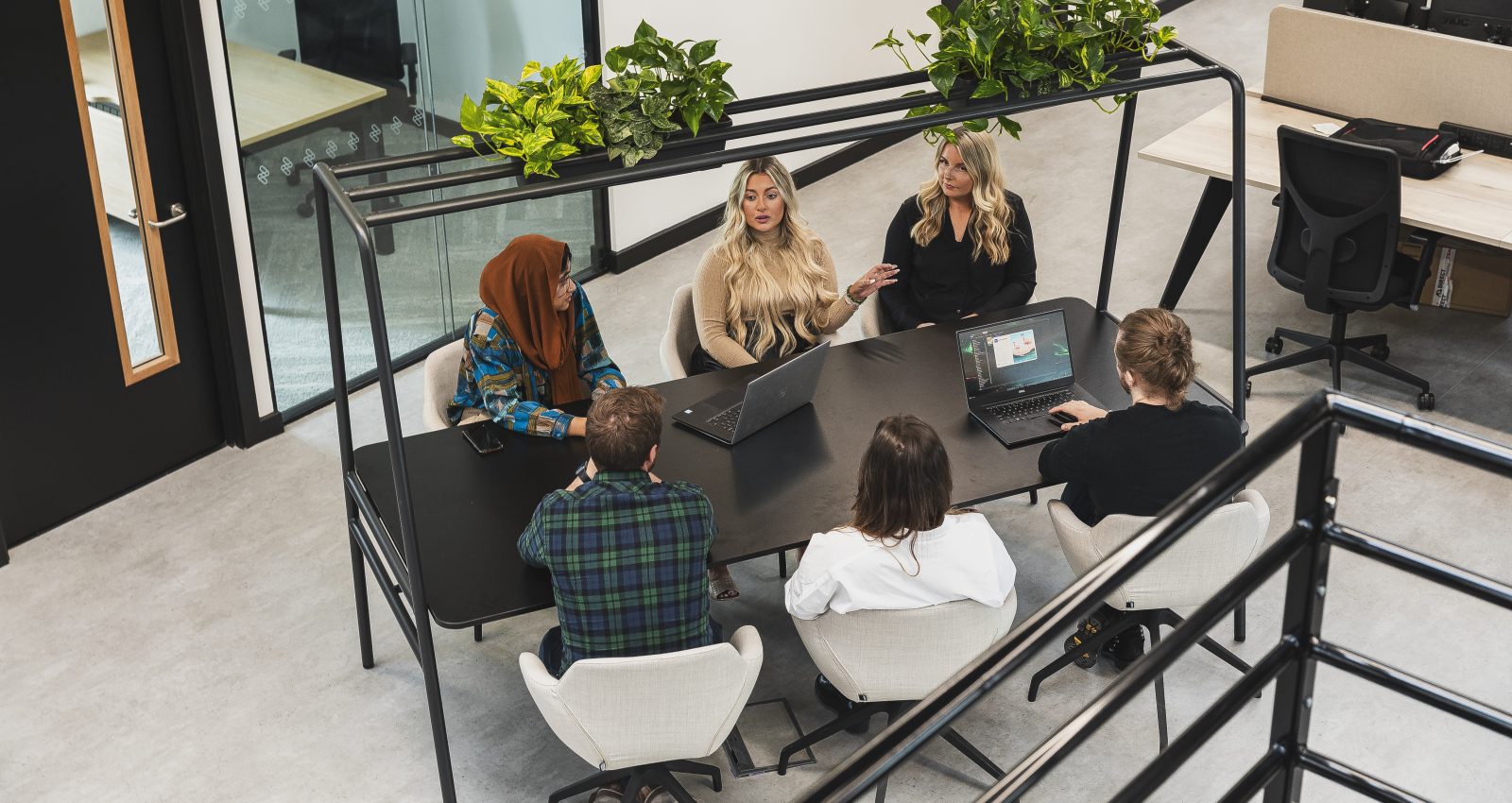
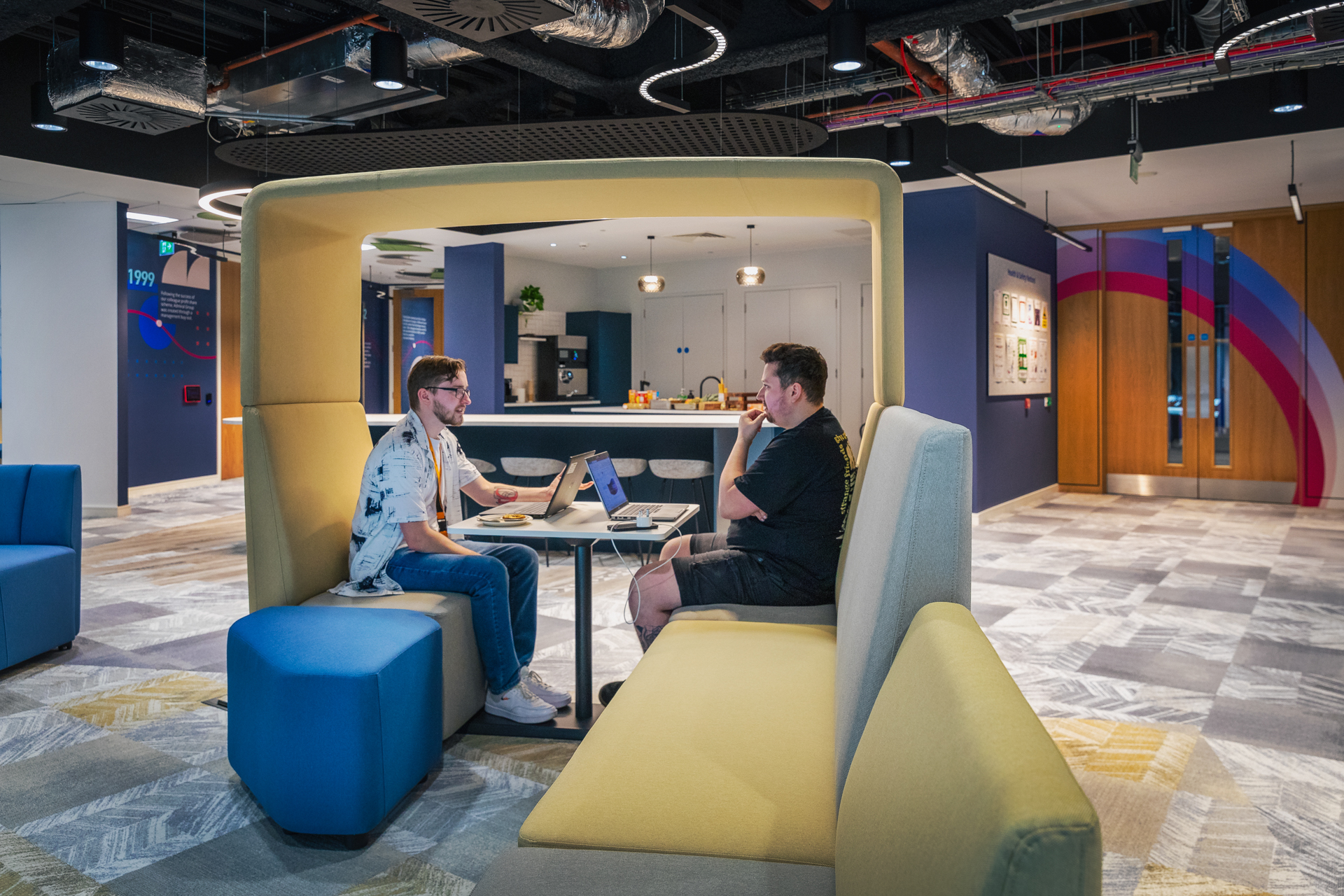
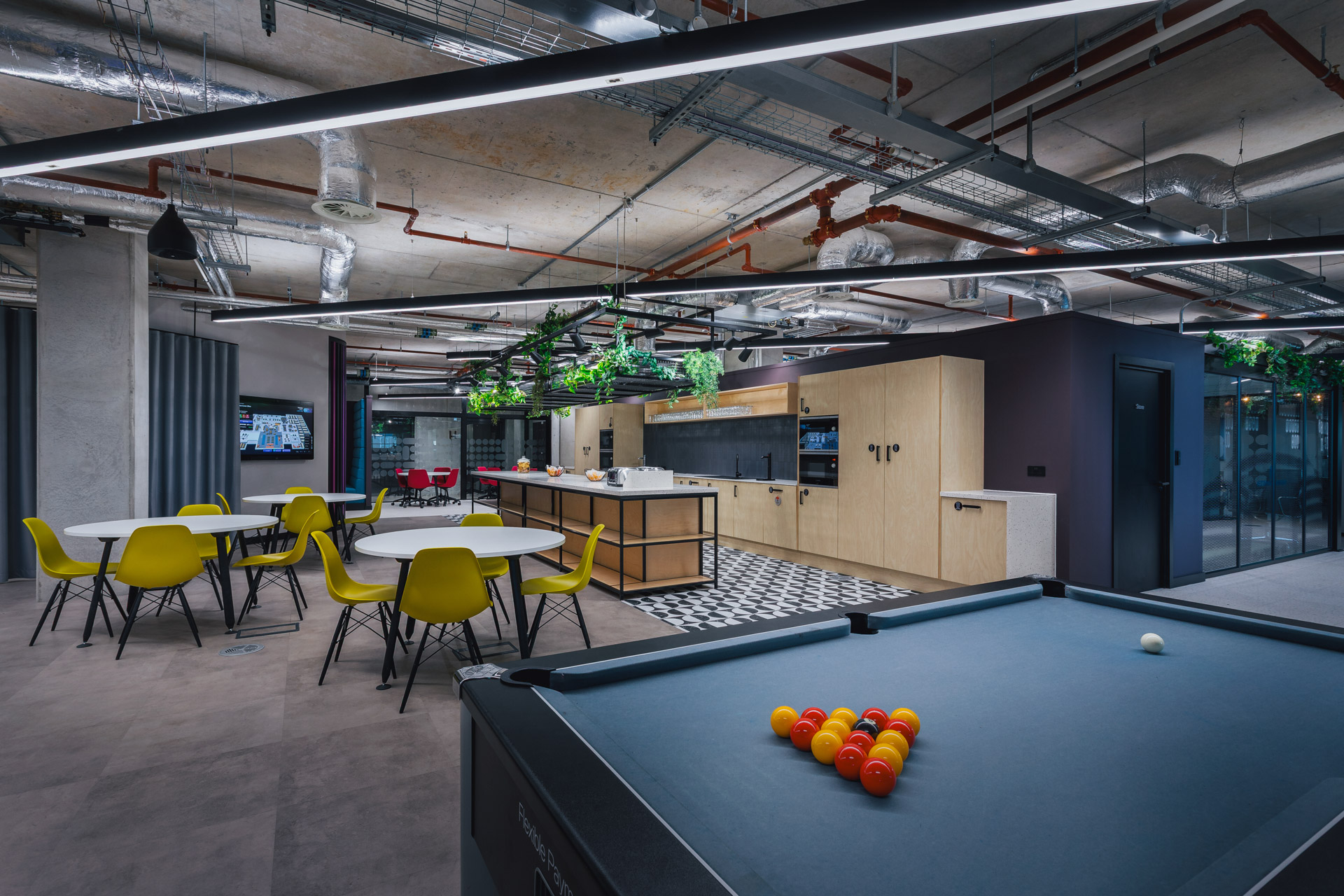
Instead of rows of fixed desks, agile workplaces are designed around different types of activity, typically including:
- Focus areas for quiet, individual work
- Collaboration spaces for meetings and teamwork
- Social zones to encourage interaction and culture
- Touchdown spaces for short, flexible use
The goal is to create an environment where people can move seamlessly between spaces depending on what they need to do.
Agile Working Office Design: Key Principles
Designing an agile work environment requires more than just changing the layout. It involves understanding how people actually work and aligning the space accordingly.
Some of the key principles include:
1. Designing for Behaviour, Not Just Space
Workplaces should reflect how teams operate day-to-day, supporting both focused work and collaboration.
2. Flexibility and Scalability
Spaces should be adaptable, allowing businesses to evolve without needing constant redesign.
3. Technology Integration
Digital tools are essential to enable seamless working across locations, ensuring teams stay connected and productive.
4. Balance Between Collaboration and Focus
Too much open space can reduce productivity. Agile offices need a careful balance of quiet and collaborative areas, ensuring the office space is as optimised as possible.
5. Clear Workplace Strategy
Successful agile working starts with a clear strategy: aligning business goals, employee needs and workspace design.
Common Challenges with Agile Working
While the benefits are clear, agile working isn’t without some challenges.
Some organisations struggle with:
- Lack of clear structure or guidance
- Over-reliance on remote work leading which, if mismanaged, leads to reduced collaboration
- Poorly designed spaces that don’t support different activities
- Cultural resistance to change
Without the right strategy, agile working can lead to confusion rather than improved performance. This is why opting for an experienced office design company such as Claremont, is always advised.
How to Create an Effective Agile Work Environment
To get the most from agile working, businesses need to take a considered, strategic approach.
This typically involves:
- Understanding how your teams work through research and data
- Defining clear objectives for your workplace
- Designing spaces that support different activities
- Aligning technology and policies with your strategy
- Continuously reviewing and refining the workplace
When done well, agile working becomes a driver of business performance and can almost feel like a code to live by.
Is Agile Working Right for Every Organisation?
Agile working isn’t a one-size-fits-all solution.
The right approach will depend on:
- The nature of your business
- The structure of your teams
- Your organisational goals
However, most businesses can benefit from introducing at least some elements of agile working, particularly when it comes to flexibility, space utilisation and employee experience.Ready To Try Agile Working For Yourself?
Agile working creates a workplace that supports performance, adaptability and long-term success.
For organisations navigating changing ways of working, it offers a clear opportunity to rethink how space is used, how teams collaborate, and how productivity is achieved.
When supported by the right strategy and workplace design, agile working can help businesses create environments where people – and performance – can thrive.
Creating an Agile Workplace That Works
Adopting agile working needs a workplace that’s designed to support how your people work.
At Claremont Group Interiors, we help organisations turn agile principles into practical, high-performing environments. From workplace consultancy, to office fit-outs, through to design and delivery, our approach aligns your space with your people and business goals.
If you’re looking to create a more effective agile work environment, we’re here to help. Contact us today and you can also explore our blog for the latest workplace insights and trends.
Our thinking
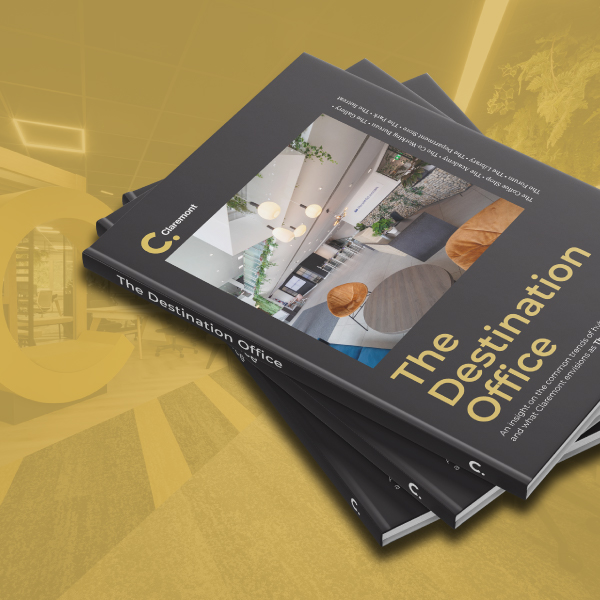
Catch up with out latest thoughts on transforming the workplace, and explore our ‘Future Flexible – The Destination Office’ concept
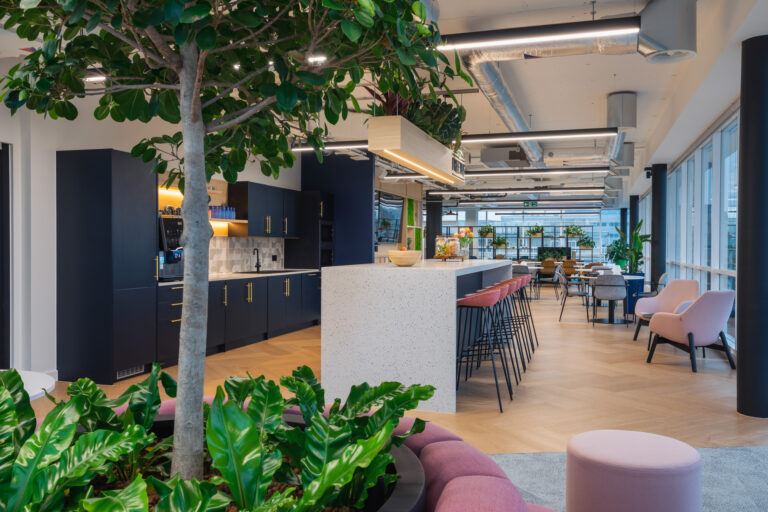
See how we could help with your new office interior design or office design and build project here
Get in touch
We love nothing better than talking all things workplace and design – got a question, potential project or just need some guidance?
Drop us a note…