


Validating workplace designs: How to ensure your new office meets real business needs
Date
14 August 2026
Read length
5 min
A well-designed workplace can make a strong first impression. From welcoming arrival spaces to collaboration hubs and social areas, good design helps shape the employee experience. But successful workplaces are about much more than aesthetics.
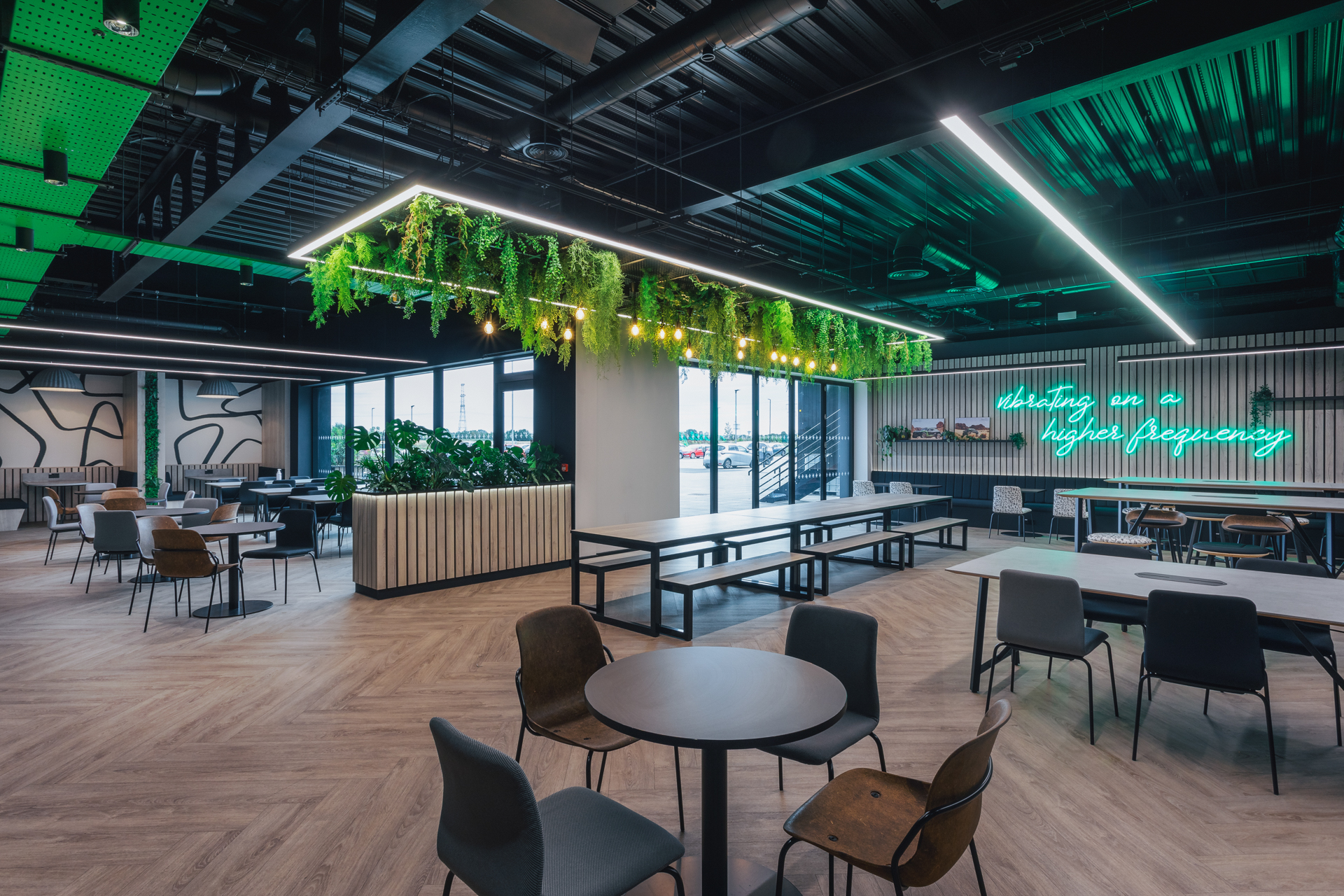
Great design isn’t just about how it looks
The best workplaces support business objectives, enable people to perform at their best, and adapt as organisations evolve. If a workplace isn’t aligned with the needs of its people, even the most visually impressive office can become a missed opportunity.
That’s why design validation is such an important part of the workplace journey.
Before committing significant investment, organisations need confidence that their proposed workplace will genuinely support the way people work, collaborate, and connect.
Why design validation matters
Most workplace projects begin with a clear vision. Business goals are defined, design concepts are developed, and plans are created to support future ways of working.
The challenge is that workplace decisions can sometimes be based on assumptions rather than evidence.
Leaders may believe they understand how teams use the office, what spaces they need, and how often people collaborate. While some assumptions may be accurate, others can lead to workplaces that don’t fully support day-to-day activities.
Without validation, organisations risk designing around what they think employees need rather than what employees actually need.
This is particularly important today. Hybrid working has transformed how offices are used. Attendance patterns are less predictable, collaboration has evolved, and employee expectations continue to change. As a result, organisations can no longer rely on historic workplace standards alone.
Instead, workplace decisions need to be informed by data, insight and genuine employee feedback.
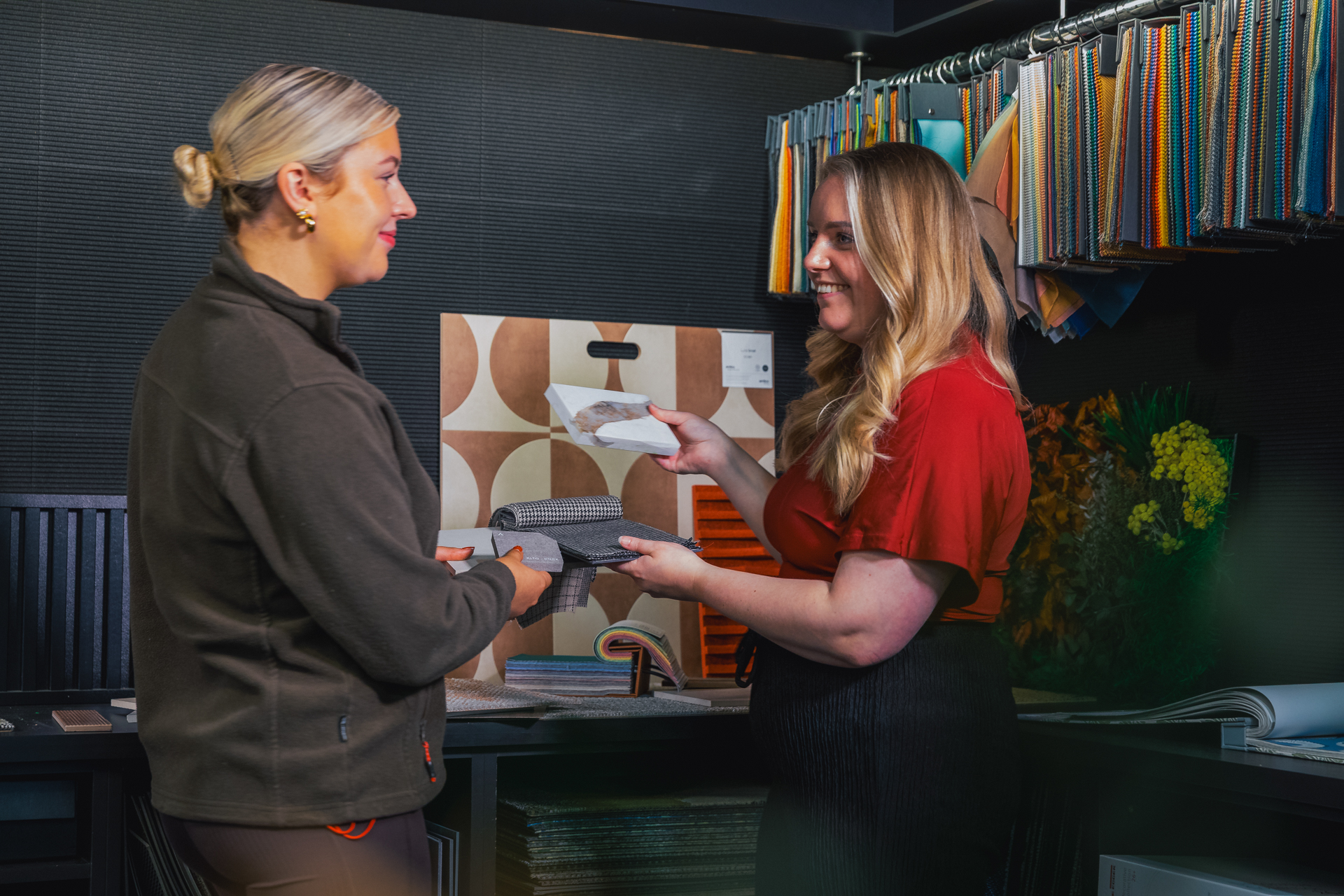
Designing around people, not space
At the heart of every successful workplace is a deep understanding of its people.
Questions such as these should be explored before a design is finalised:
- How do different teams work and collaborate?
- What tasks require focused individual work versus group interaction?
- Are teams located in the right place to support key business relationships?
- What workplace settings are most important to employees?
- How will future ways of working impact space requirements?
Answering these questions helps ensure workplace decisions are driven by real business and employee needs, rather than assumptions.
This is where workplace consultancy plays a critical role: By combining employee insight, workplace data and business objectives, organisations can test whether a proposed design will genuinely support the behaviours and outcomes they’re trying to achieve.
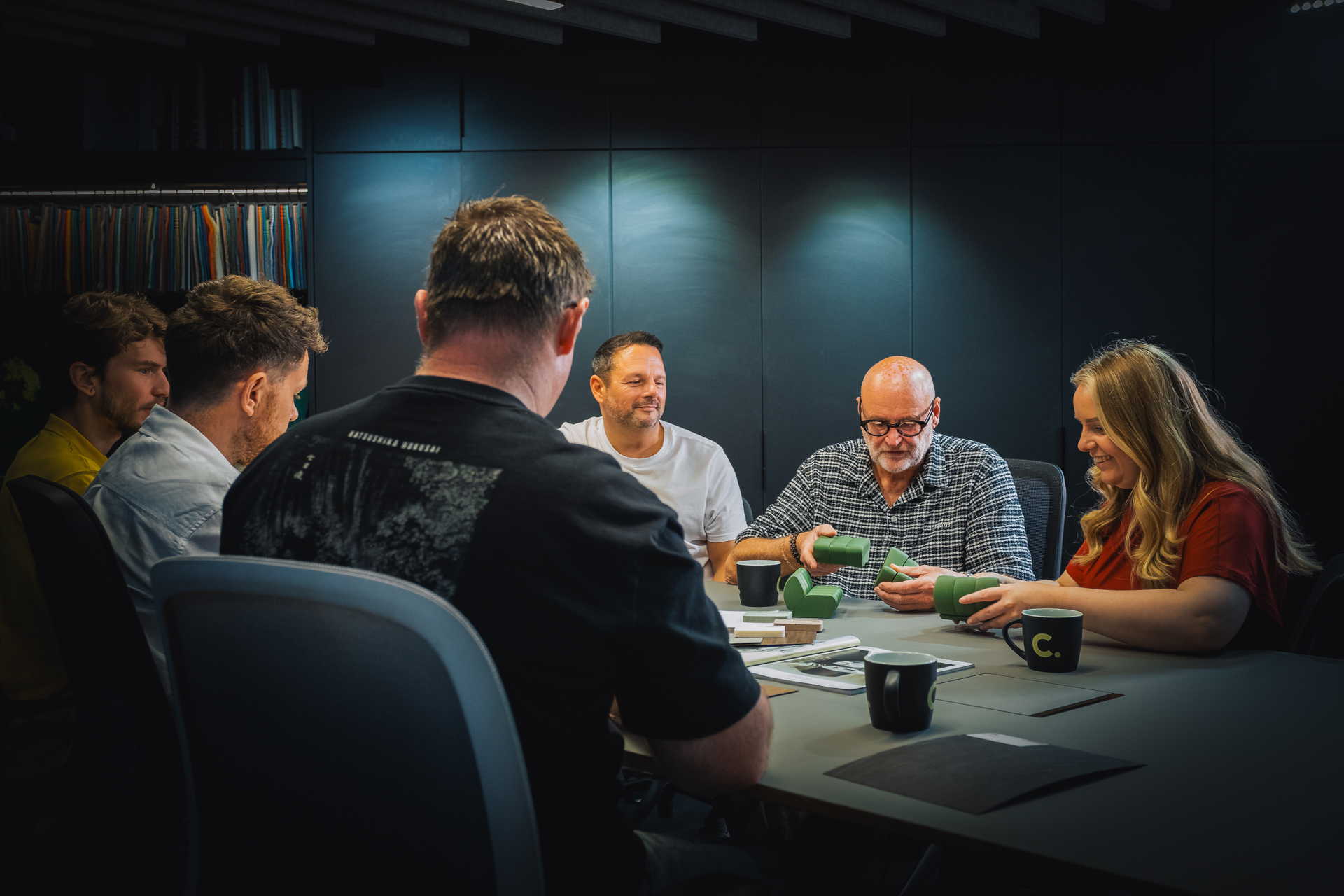
How Claremont validates workplace designs
At Claremont, workplace consultancy and design work hand in hand throughout a project. While consultancy is often associated with the early stages of workplace strategy, its value extends far beyond the initial brief.
One of the biggest misconceptions is that once designs have been produced, it’s too late to gather workplace insight. In reality, it can add value at almost any stage of a project.
Whether a scheme is at concept stage, detailed design, or approaching final approval, there is always an opportunity to test assumptions, gather feedback and refine the workplace before delivery.
Our Workplace Consultancy team regularly works with clients to review and challenge proposed workplace solutions, ensuring designs remain aligned with both business objectives and employee needs.
A real-world example
Recently, Claremont’s in-house Workplace Consultancy team assisted our client whose workplace design was nearing final sign-off.
The design team had developed a strong solution based on the original brief, but the client wanted reassurance that the workplace would support the day-to-day operational needs of different teams.
Rather than redesigning the scheme, our Workplace Consultancy team facilitated a series of design validation workshops with managers and key stakeholders.
The aim was simple: stress-test the proposed workplace against the realities of how people work.
The sessions revealed several opportunities for refinement. Some teams highlighted collaboration patterns that differed from earlier assumptions, while others identified opportunities to improve team adjacencies and increase access to specific workplace settings.
None of the findings required major design changes. However, the feedback allowed the workplace to be fine-tuned before construction began, when adjustments could still be made quickly and cost-effectively.
The outcome was a workplace better aligned to operational requirements, employee expectations and long-term business goals.
More importantly, it reinforced a key message: it is rarely too late to gain valuable workplace insight.

Reducing risk through validation
Every workplace project is a significant investment. Organisations rightly spend considerable time managing budgets, programmes and project delivery. Yet one of the greatest risks is creating a workplace that doesn’t fully support the people it’s designed for. Design validation helps reduce that risk.
By testing workplace concepts against employee feedback, operational requirements and strategic objectives, organisations can identify potential issues before construction begins. Often, small refinements uncovered through validation can deliver meaningful improvements to workplace performance, employee experience and space utilisation. Rather than relying on assumptions, businesses can move forward knowing their workplace has been tested against the realities of how people work.
The foundation of successful change
Design validation delivers benefits beyond the physical workplace – it also helps prepare people for change. Engaging employees and stakeholders in conversations about the future workplace creates involvement, builds trust and encourages early buy-in. When people feel heard, they are more likely to support and adopt new ways of working.
This is particularly important because workplace transformation isn’t just about the office itself. It often involves new behaviours, technologies, policies and working practices.
By involving employees during design validation, organisations begin the change management process long before move-in day. Questions can be answered early. Concerns can be addressed before they become barriers. Stakeholders become advocates for the future workplace rather than observers of it. In many cases, the engagement created through design validation is just as valuable as the changes made to the design itself.
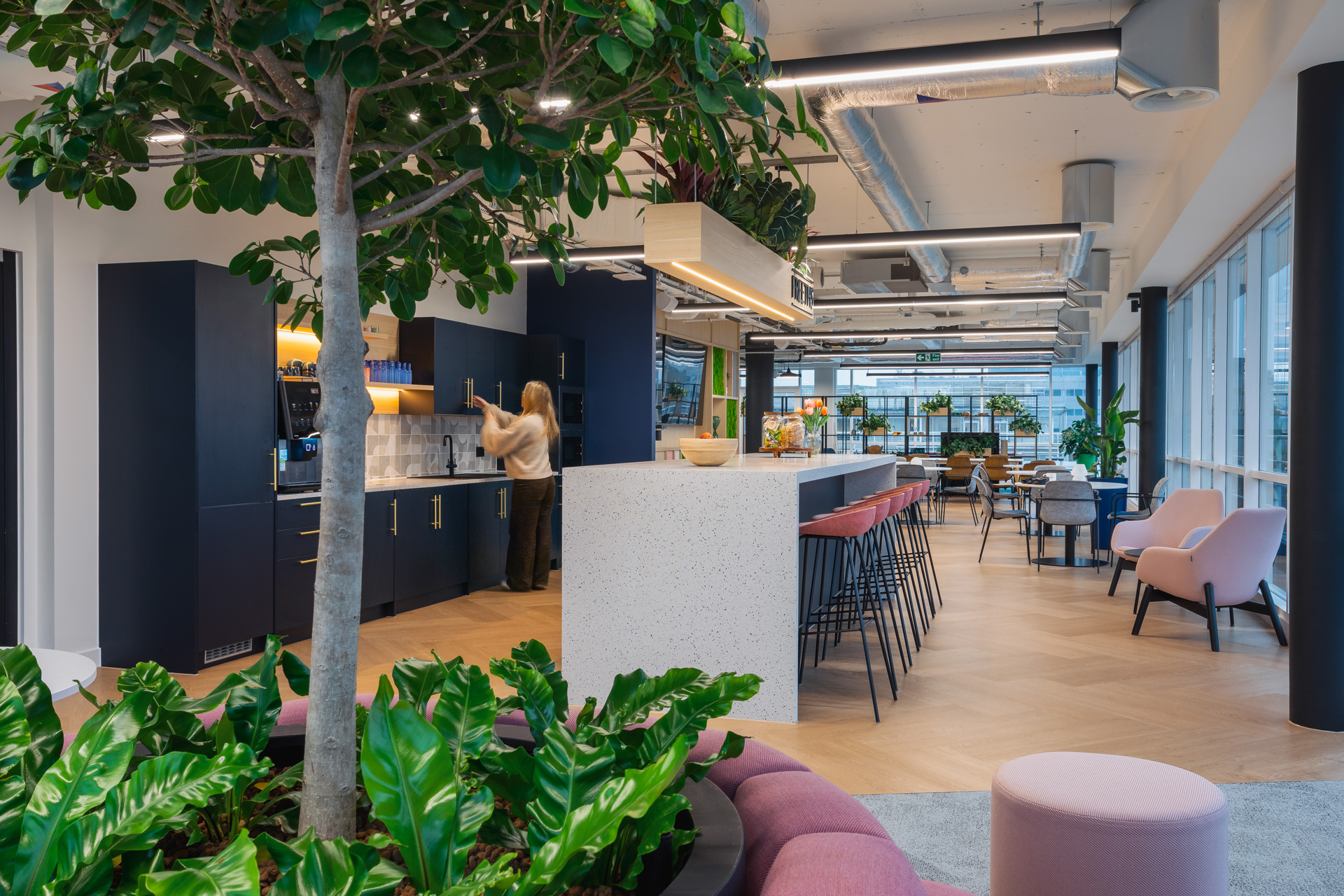
A successful workplace isn’t created by design alone. It comes from understanding people, validating assumptions and ensuring workplace decisions are aligned with business objectives. Design validation provides organisations with the confidence to move forward, knowing their workplace has been tested against real employee needs and operational requirements.
At Claremont, our Workplace Consultancy team works alongside designers, project teams and business leaders to turn workplace ambitions into evidence-based solutions. By combining strategic insight, employee engagement and design expertise, we help organisations reduce risk, support change and create workplaces that deliver lasting value for both their people and their business.
Our thinking
Catch up with out latest thoughts on transforming the workplace, and explore our ‘Future Flexible – The Destination Office’ concept

See how we could help with your new office interior design or office design and build project here
Get in touch
We love nothing better than talking all things workplace and design – got a question, potential project or just need some guidance?
Drop us a note…