

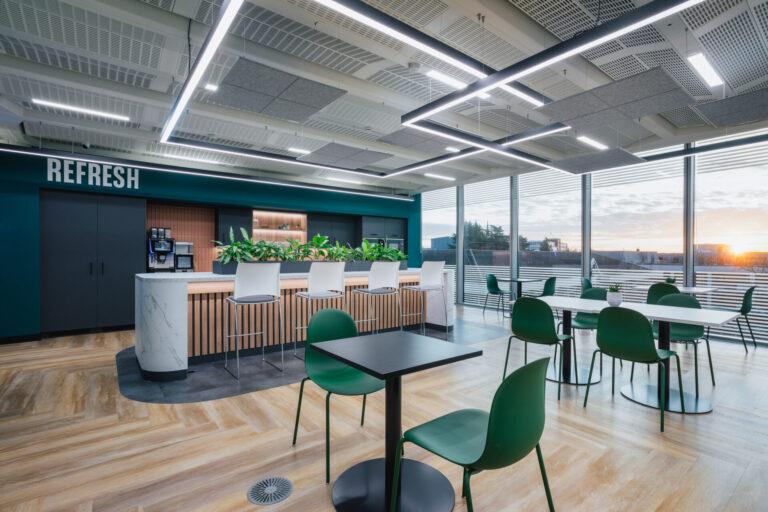
Breakout spaces in offices: Why they matter
Date
29 June 2026
Read length
5 min
Not that long ago, breakout spaces in offices were often viewed as a workplace luxury – something added in at the end of a project if there was enough room or budget left over.
Today, they’ve become a far more important part of workplace design.
As hybrid working continues to reshape the role of the office, businesses are increasingly recognising that people don’t come into the workplace simply to sit at a desk for eight hours a day. Offices now need to support collaboration, culture, creativity and wellbeing in ways that traditional layouts often struggle to achieve.
This shift has pushed breakout spaces from a “nice-to-have” feature to an essential part of the modern workplace.
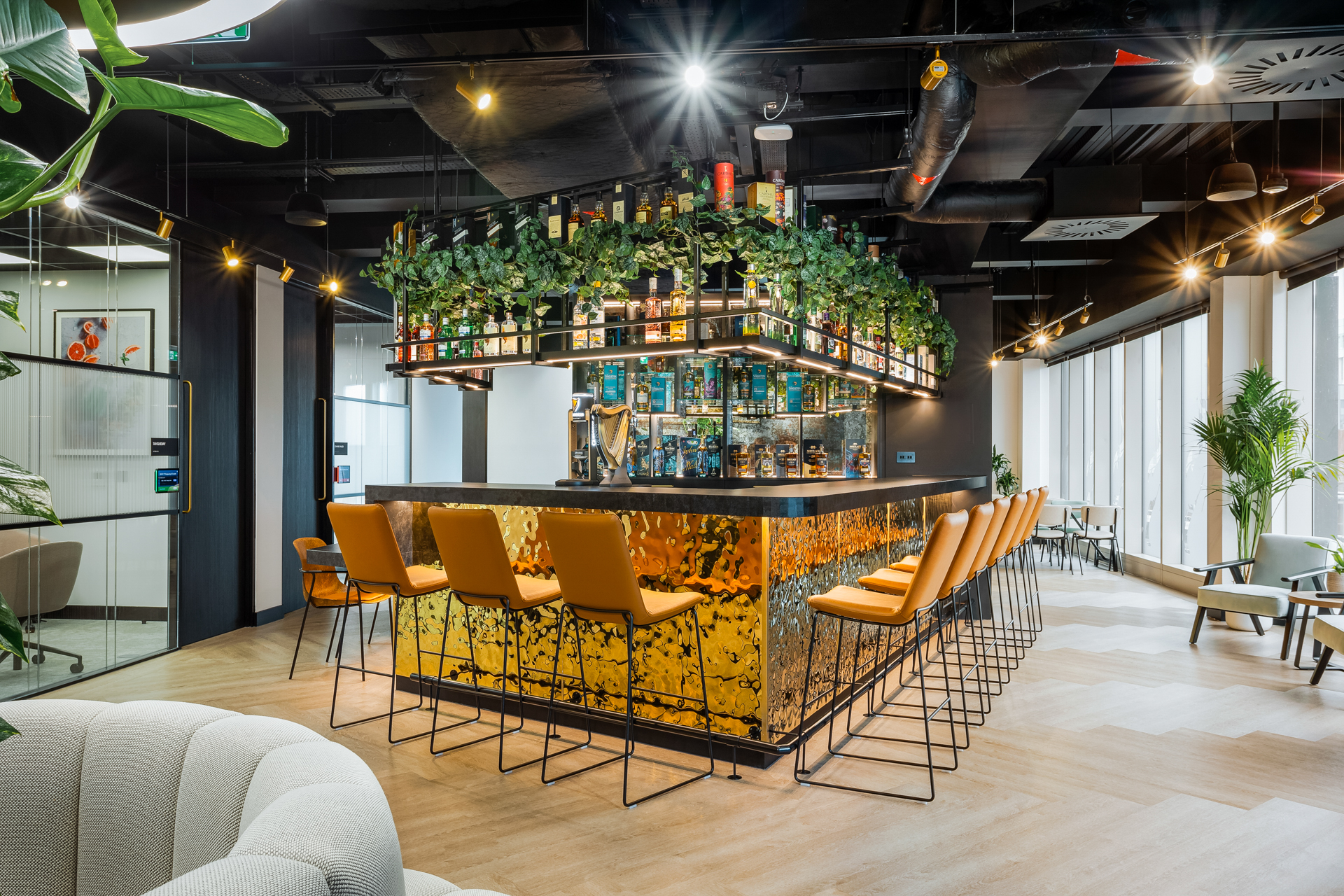
What Is a Breakout Space?
A breakout space is an informal area within an office that gives employees somewhere to step away from traditional desk settings.
That might mean:
- Catching up with colleagues
- Enjoying a rest during breaktimes
- Holding a quick informal meeting
- Focusing away from distractions
- Simply taking a mental reset during the day
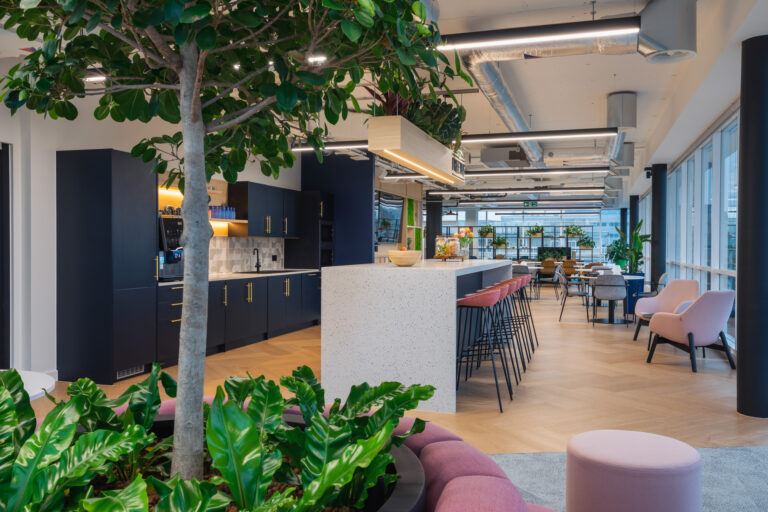
The term itself covers a wide range of spaces. In some offices, it could be a lounge-style collaboration area with soft seating. In others, it might be a quieter nook designed for focused work or even a modern café-style setting that encourages informal conversations and has that real local feel.
The key difference is that breakout areas are designed around flexibility and choice, rather than fixed ways of working.
Why Offices Are Rethinking Space Allocation
One of the biggest workplace shifts in recent years has been the move away from viewing productivity as something tied solely to desks.
Businesses are increasingly asking:
What actually helps people work effectively?
And the answer is rarely:
More rows of identical desks.
Different tasks require different environments. Focused individual work, collaborative discussions, creative thinking and informal social interaction all benefit from different types of spaces.
This is why collaborative workspaces and breakout areas are becoming such a central part of workplace strategy.
Rather than maximising desk density, many organisations are now prioritising environments that better support how people actually work throughout the day.
The Role Breakout Spaces Play in Collaboration
Some of the most valuable conversations in a workplace don’t happen in formal meetings.
They often happen organically throughout the working day: between meetings, during quick team catch-ups, or even over an informal coffee. In many cases, these spontaneous conversations can lead to ideas and collaboration that wouldn’t emerge in more structured settings.
Breakout spaces help create the conditions for these interactions to happen more naturally.
In many cases, they encourage a more open flow of communication between teams and departments that might not otherwise interact regularly. Over time, this can strengthen collaboration, improve knowledge-sharing, and help to build a more connected workplace culture.
This is particularly important in hybrid environments, where time spent in the office is increasingly centred around interaction and collaboration rather than purely individual tasks.
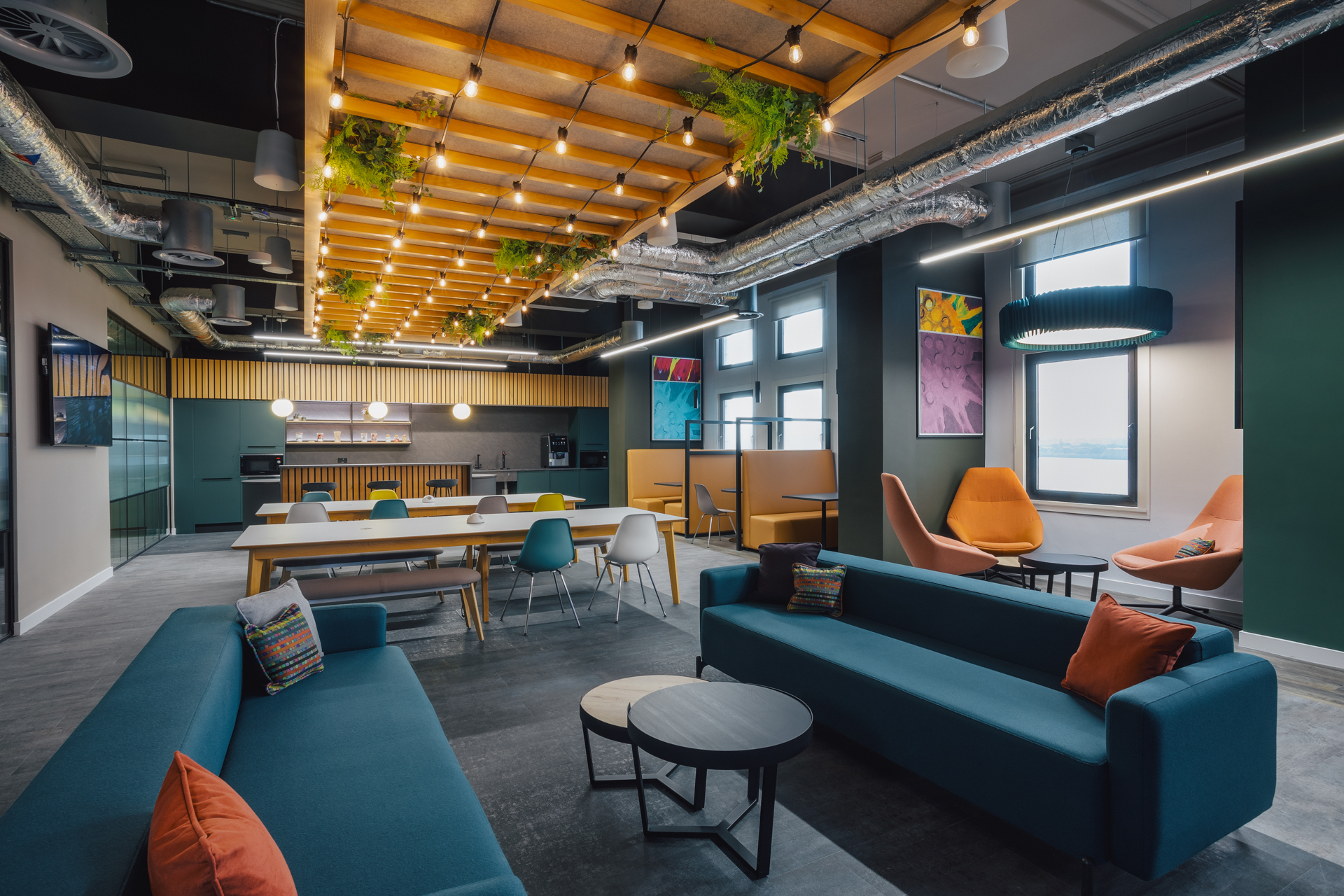
Supporting Employee Wellbeing Without Making It Feel Forced
There’s also a wellbeing element to breakout spaces that’s often underestimated.
Workplaces can be mentally demanding, particularly in environments where employees spend long periods of time switching between screens, meetings and focused tasks without much variation throughout the day.
Providing employees with somewhere to step away – even briefly – can have a meaningful impact on:
- Stress levels
- Concentration
- Energy
- Overall workplace experience
Importantly, effective collaboration spaces don’t necessarily need to feel heavily branded as “wellbeing areas”. Often, the most successful spaces are simply comfortable, flexible and naturally integrated into the wider workplace.
Sometimes, giving people permission to work differently is just as important as the space itself.
Breakout Areas Can Improve Productivity Too
There’s a common misconception that informal office breakout areas reduce productivity.
In reality, the opposite is often true.
Giving employees access to different types of working environments can help to improve focus and efficiency by allowing them to choose spaces that suit the task they’re working on.
For example:
- Collaborative breakout areas may help accelerate decision-making and idea-sharing
- Quieter breakout spaces can support focused work away from busy desk areas
- Informal settings can reduce pressure and encourage more open discussion
They can also help minimise disruption elsewhere in the office by moving informal conversations away from quieter work zones.
Ultimately, productivity tends to improve when workplaces offer greater flexibility – not less.
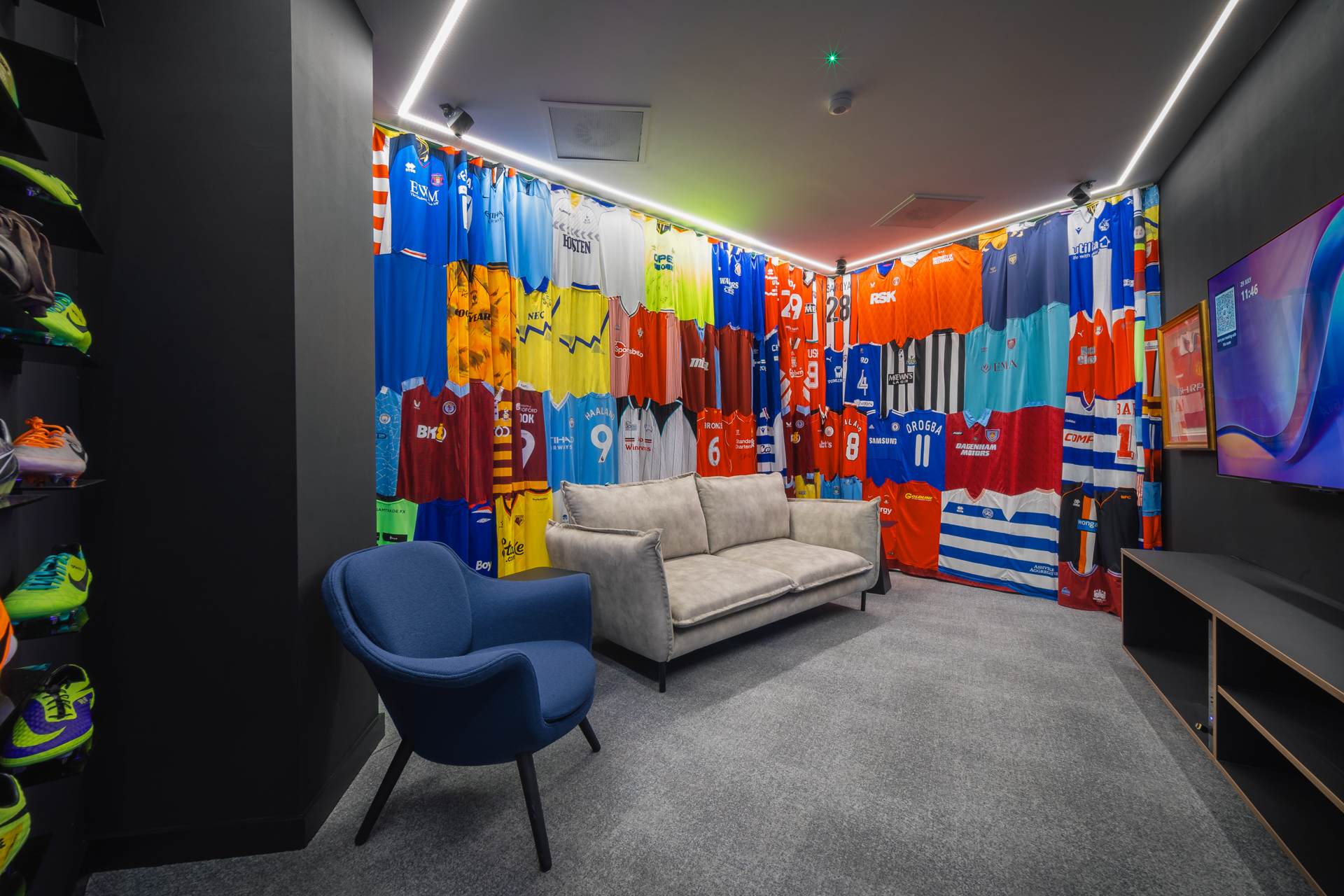
Why Breakout Spaces Matter in the Future Workplace
The office is changing.
For many businesses, it’s becoming less about providing somewhere employees have to work, and more about creating somewhere people want to work.
That means the future workplace needs to offer experiences and environments that employees can’t easily replicate at home.
Breakout spaces play an important role in this shift because they support:
- Connection
- Culture
- Flexibility
- Collaboration
- Employee experience
In many modern workplaces, they’ve become the glue between more formal work settings, helping offices to feel more dynamic, adaptable, and human.
What Makes a Breakout Space Actually Work?
Not all breakout spaces succeed.
In some offices, they end up underused because they feel disconnected from the wider workplace or aren’t designed around genuine employee behaviours.
The most effective breakout areas are usually:
- Intuitive to use
- Comfortable without being distracting
- Flexible enough to support different activities
- Positioned in ways that feel natural within the flow of the office
Importantly, they should complement the workplace, not compete with it.
The goal isn’t to fill workplaces with trendy office furniture or gimmicks: it’s to create spaces that genuinely support how people work, interact and recharge throughout the day.
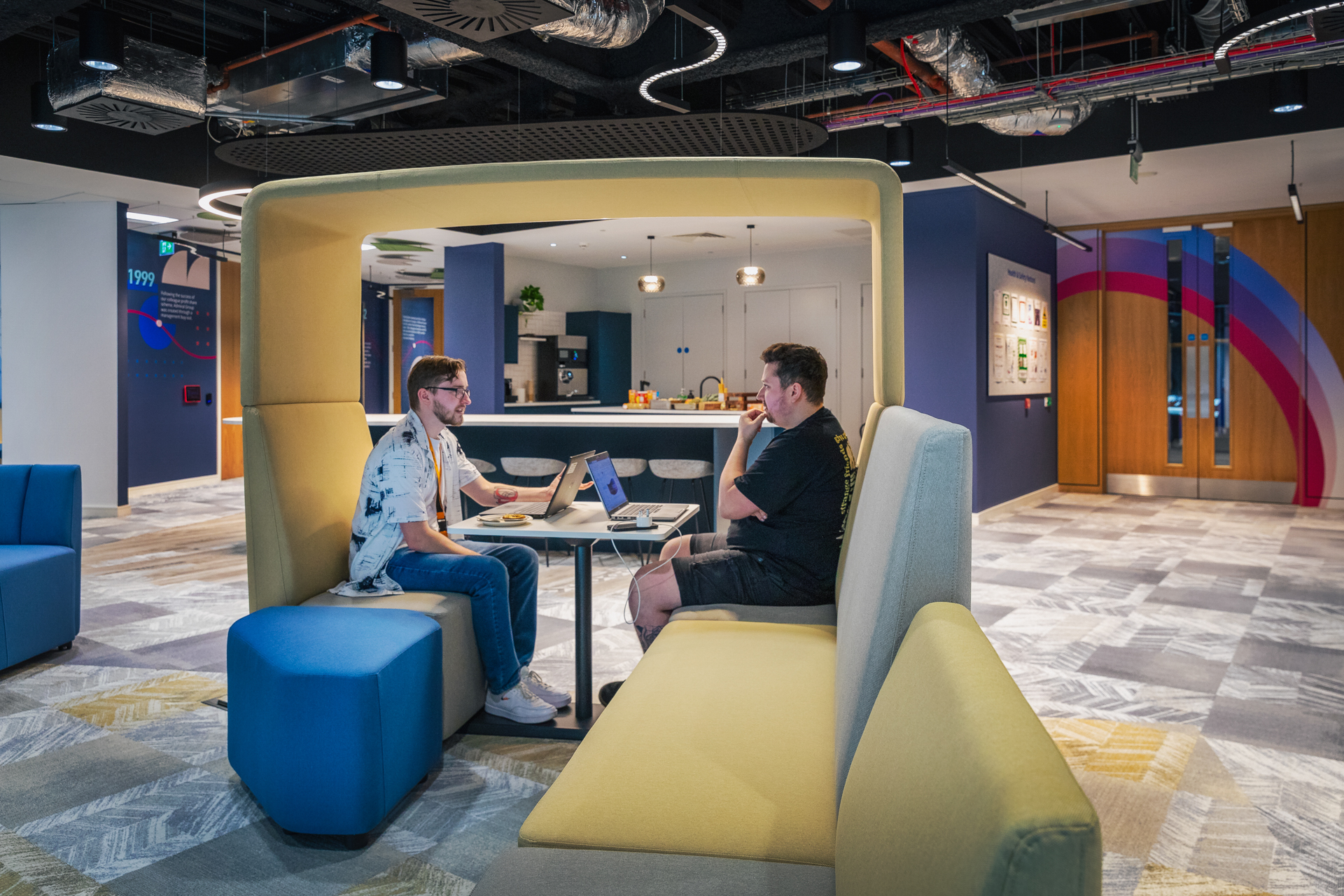
Creating Collaborative Workspaces That Support Your People
At Claremont Group Interiors, we help organisations design workplaces that reflect how people work today – not how offices operated ten years ago.
From workplace strategy and workplace consultation, through to office design and delivery, we create collaborative workspaces that support flexibility, strengthen workplace culture and improve the overall employee experience.
To explore more workplace insights, trends and guidance, visit our blog.
Our thinking
Catch up with out latest thoughts on transforming the workplace, and explore our ‘Future Flexible – The Destination Office’ concept
See how we could help with your new office interior design or office design and build project here
Get in touch
We love nothing better than talking all things workplace and design – got a question, potential project or just need some guidance?
Drop us a note…