

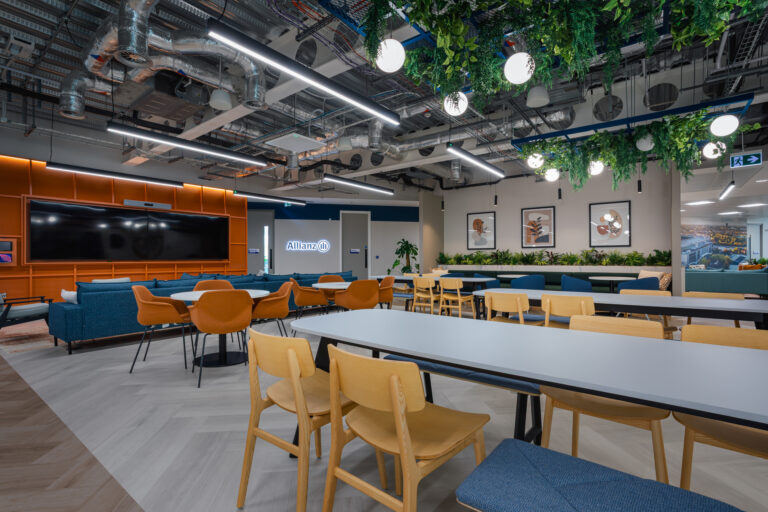
With so many businesses now embracing hybrid working, the way we think about the “perfect” office has changed. Today’s workplace needs to do more than provide desks and meeting rooms. It needs to support collaboration, focused work, flexibility, connection and a seamless experience for people working both in and away from the office.
Why go hybrid?
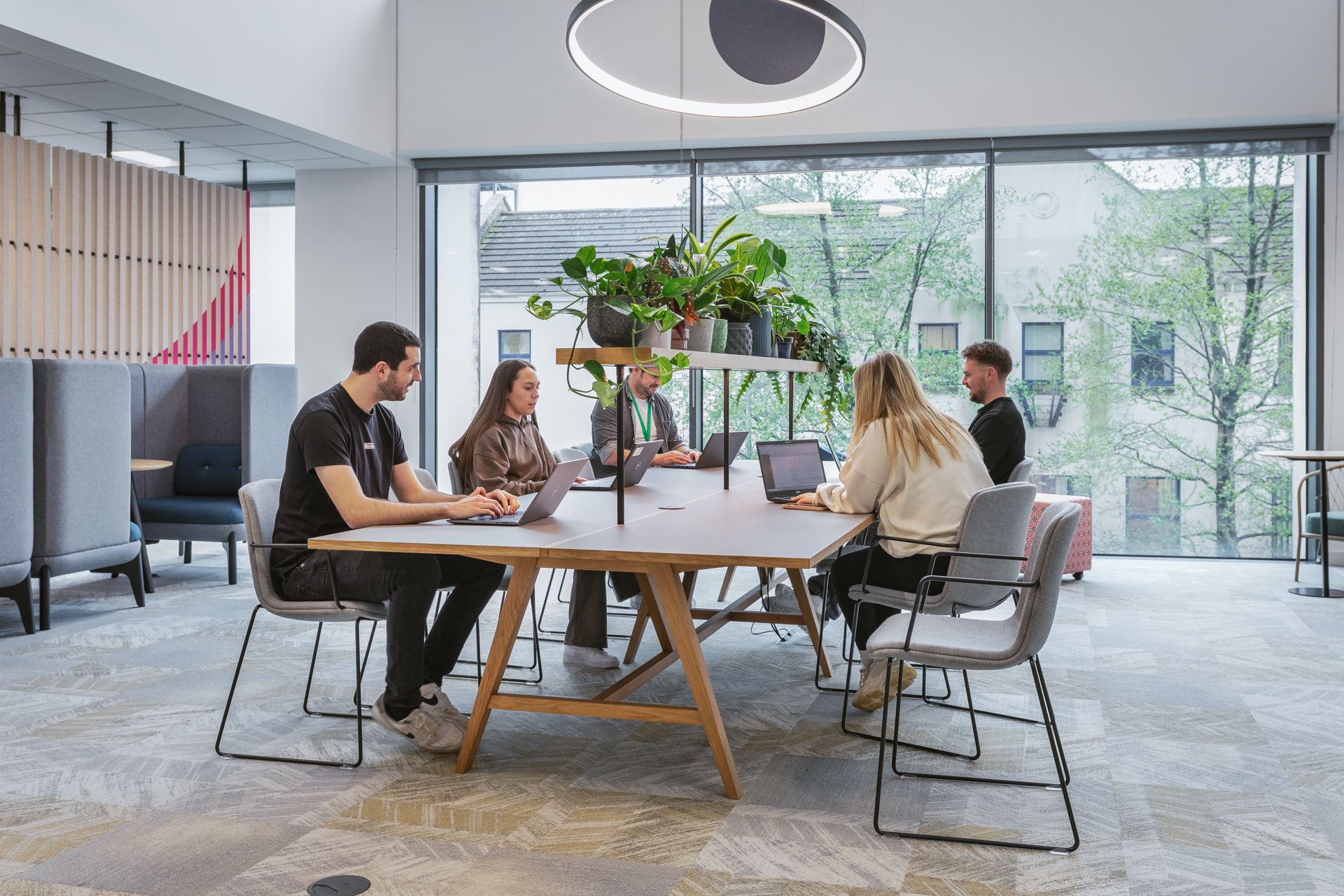
A considered hybrid office design gives your team the best of both worlds, bringing together the benefits of in-office collaboration with the flexibility of remote working. Whether your team is office-based, remote-first or somewhere in between, the right hybrid office layout can help create a workplace that works for everyone.
At Claremont, we design hybrid office spaces that are shaped around how your people actually work. From workplace consultancy and smart space planning to furniture, technology and long-term flexibility, we help businesses create offices that support modern working patterns and future business needs.
Our hybrid office spaces include:
- Workplace consultancy: We’ll help you understand how your teams use the office today, tackle current challenges and plan for the future.
- Smart hybrid office layouts: We balance open collaboration areas with meeting rooms, pods, focus spaces and flexible settings for every type of work.
- Flexible furniture: We’re not tied to any suppliers, so we can source furniture that suits your people, space, budget and long-term workplace strategy.
- Technology integration: Effective tech is essential for hybrid workplace design. We bring in the right tools to keep communication, collaboration and productivity flowing.
- Cost-saving solutions: We’ll help you make better use of your office space, improve efficiency and, where appropriate, explore opportunities to reduce unnecessary space.
Download our guide to Hybrid working
These days, most companies have some form of remote working. Building a hybrid workspace is no longer simply about keeping up; it is about creating an office that earns the commute, supports employee satisfaction and helps organisations make better use of their property investment.
A well-designed hybrid office lets people choose where they work best, while still giving them a compelling reason to come together in person. For those who enjoy coming into the office, the space should feel comfortable, purposeful and easy to use. For those working remotely, the right technology and meeting environments help ensure they remain connected, included and able to collaborate effectively.
What makes a good hybrid office layout?
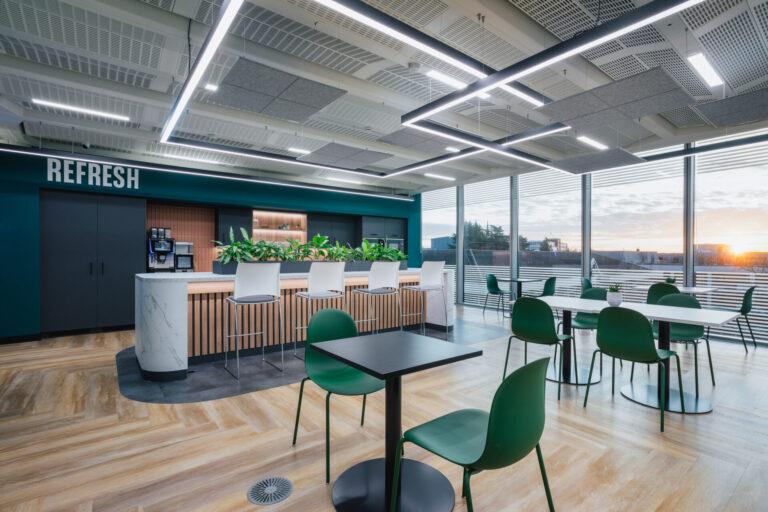
A successful hybrid office layout is built around choice. Instead of relying on one fixed way of working, the space should offer different settings for different tasks, teams and working styles.
This may include:
- Collaboration areas for team sessions and creative workshops
- Quiet spaces for focused individual work
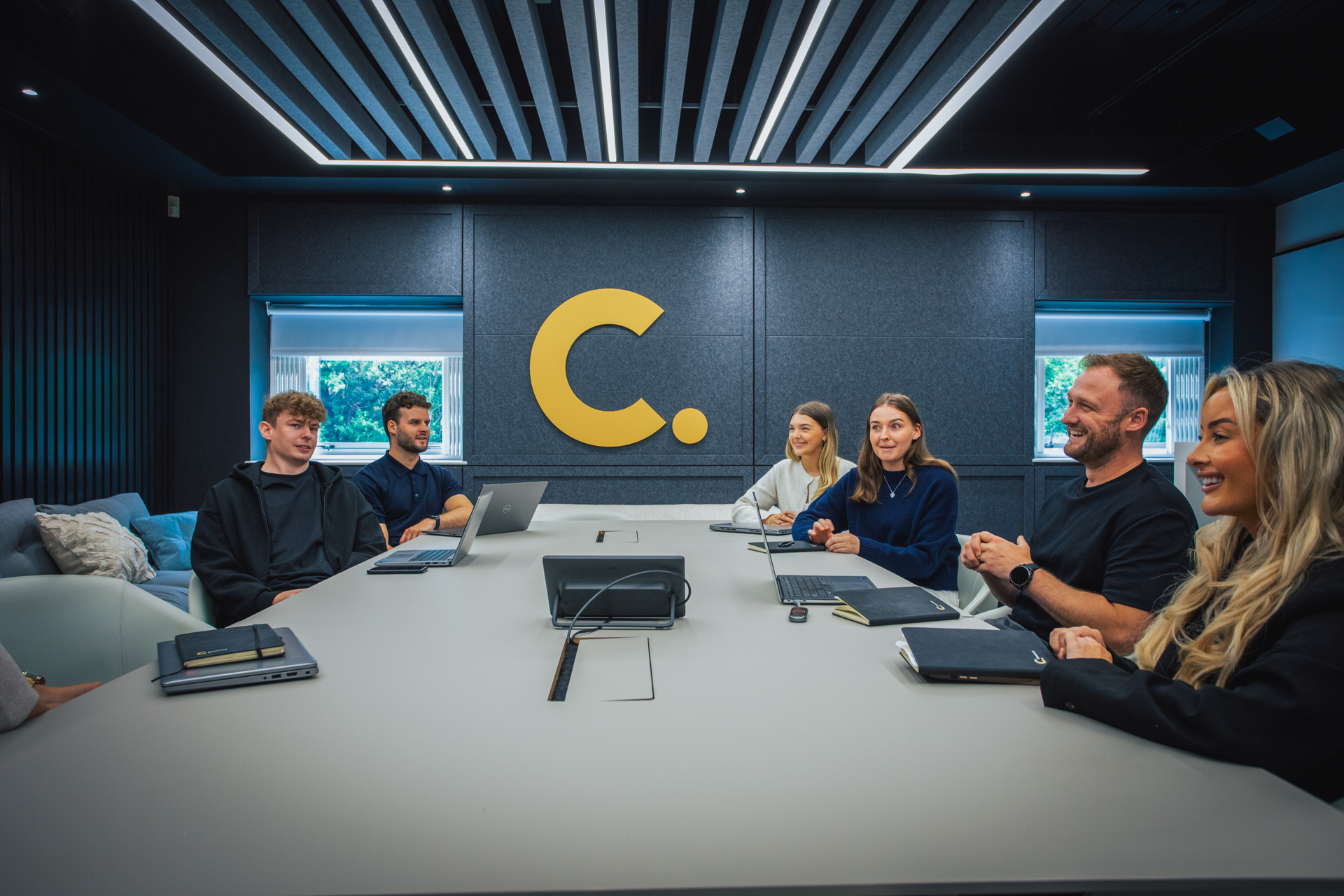
- Meeting rooms designed for both in-person and remote attendees
- Informal breakout areas for social connection
- Touchdown spaces for short visits or flexible working days
- Technology-enabled rooms for video calls and hybrid meetings
- Adaptable furniture that allows the space to flex as needs change
The best hybrid office layouts are not just flexible; they are intuitive. People should be able to move through the workplace easily and understand which spaces are designed for collaboration, concentration, learning, socialising or confidential conversations.
Why hybrid workplace design matters
Hybrid workplace design plays an important role in how people experience the office. If the workplace does not support the reasons people come in, it can quickly become underused or ineffective.
A good hybrid office should help businesses:
- Connect office-based and remote teams through spaces that make collaboration feel seamless.
- Support focus, wellbeing and flexibility, giving people more choice in how they work.
- Make smarter use of space by reducing wasted desks and turning underused areas into valuable settings.
- Give people a clearer reason to visit the office, whether for collaboration, connection, learning or culture.
- Improve meetings and communication through better layouts, technology and shared spaces.
- Adapt as teams grow, working patterns shift and business needs evolve.
Hybrid working is different for every organisation, which means no two hybrid offices should look exactly the same. The right approach starts with understanding your people, your culture and the role your office needs to play.
Hybrid working, like the evolution of design itself, has arisen from a profound shift in our understanding of space, time, and productivity. Just as no two spaces are alike, no two hybrid working models are identical. Our role is to bring together culture, technology, and human connection by creating spaces where innovation, collaboration, and well-being flourish in this new era of work.
Our thinking
Catch up with out latest thoughts on transforming the workplace, and explore our ‘Future Flexible – The Destination Office’ concept
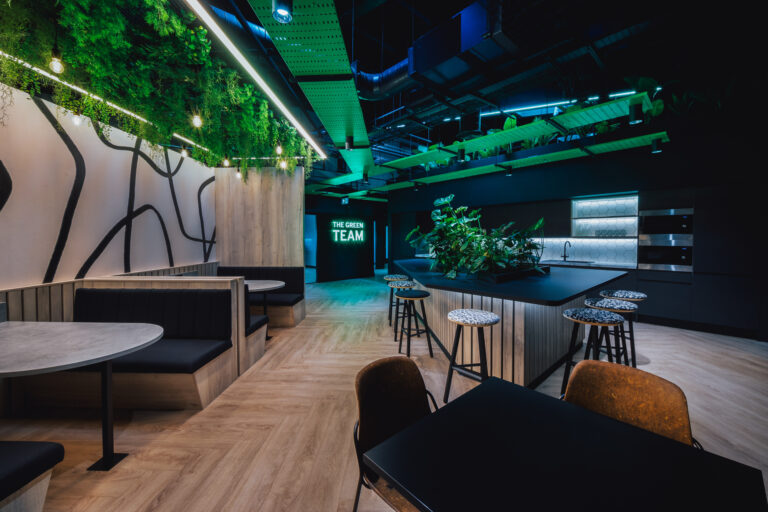

See how we could help with your new office interior design or office design and build project here
Get in touch
We love nothing better than talking all things workplace and design – got a question, potential project or just need some guidance?
Drop us a note…