

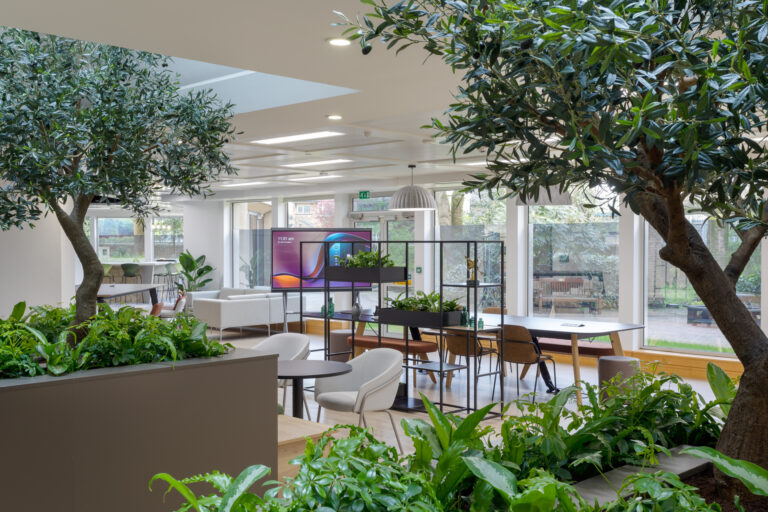
How Claremont delivers better outcomes for clients and the environment
Date
12 October 2026
Read length
1 min
Sustainability has become a key factor in workplace decision-making. Our recent Occupier Insights report found that workplace experts unanimously agree sustainability is an important consideration, influencing how organisations evaluate office space, workplace experience and long-term workplace strategies.
From selecting buildings and designing new offices, to attracting talent and meeting ESG commitments, organisations are increasingly looking for workplaces that deliver both business and environmental value. At Claremont, sustainability is embedded throughout the entire project lifecycle, from the earliest building assessments through to product selection, delivery and ongoing operation.
Our approach is built on a simple principle: helping clients create environments that perform better for people, businesses and the planet.
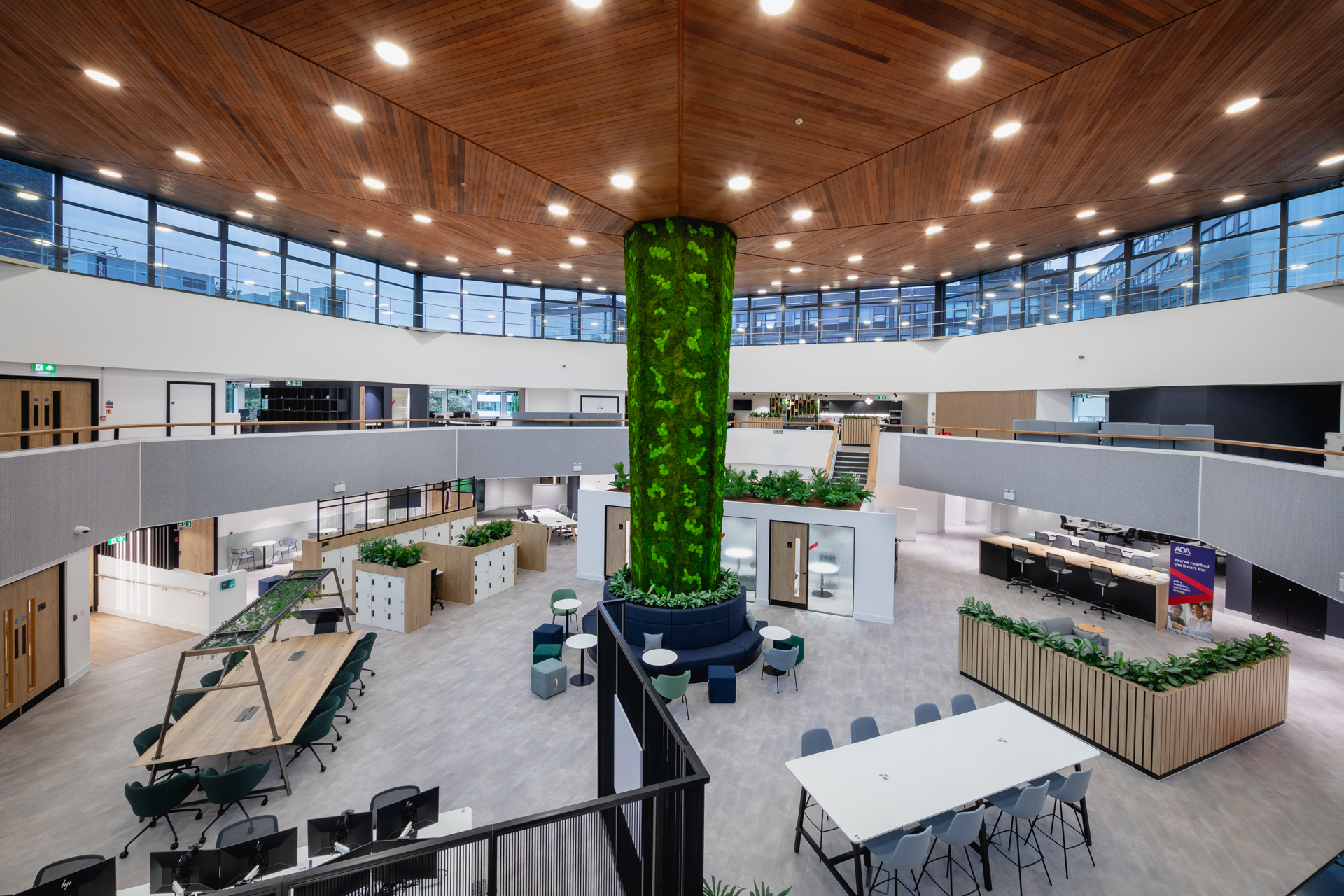
Starting sustainability conversations early
The greatest opportunity to influence sustainability outcomes comes at the very beginning of a project. By engaging with clients during the building selection and feasibility stages, we help them understand how a potential building aligns with their environmental ambitions.
Our teams develop test fits, assess building services, review buildability considerations and evaluate sustainability opportunities within each space. This allows clients to understand not only how a building will work operationally, but also how it aligns with their wider sustainability objectives.
Where appropriate, we undertake early-stage assessments for accreditations such as SKA and BREEAM, giving clients the information they need to make informed decisions before committing to a building or refurbishment strategy.
Designing for efficiency and long-term performance
Successful sustainable design often comes from a series of smart, practical decisions rather than a single standalone solution.
Through close collaboration between our building services team and supply chain partners, we identify solutions that reduce energy consumption and improve workplace performance. These can include occupancy-based lighting controls, energy-efficient appliances, CO₂ sensors, and water-saving fixtures such as low-flow taps.
Our focus is always on the whole-life impact of a project. We look for ways to enhance the existing building rather than replace systems unnecessarily, ensuring that sustainability improvements work in harmony with the building’s existing infrastructure and services.
Making responsible product choices
Material and product selection plays a significant role in reducing the environmental impact of workplace projects. Claremont adopts a robust and evolving approach to procurement that prioritises transparency, circularity and responsible sourcing.
We operate a traffic-light assessment system across our product ranges and conduct thorough supplier evaluations before introducing new products. Wherever possible, we favour products supported by Environmental Product Declarations (EPDs) or Product Circularity Data Sheets (PCDS), helping clients make informed choices based on verified environmental data.
Circular economy principles are increasingly important to our clients, so we actively support product reuse, upcycling initiatives and supplier take-back schemes. We also prioritise local procurement, UK manufacturing and regional supply chain partners wherever possible, helping reduce transportation impacts while supporting local economies. In 2025 alone, our spending with UK SME suppliers generated £44.76 million of social value, demonstrating how responsible procurement can create positive economic and community impact beyond the immediate scope of a project.
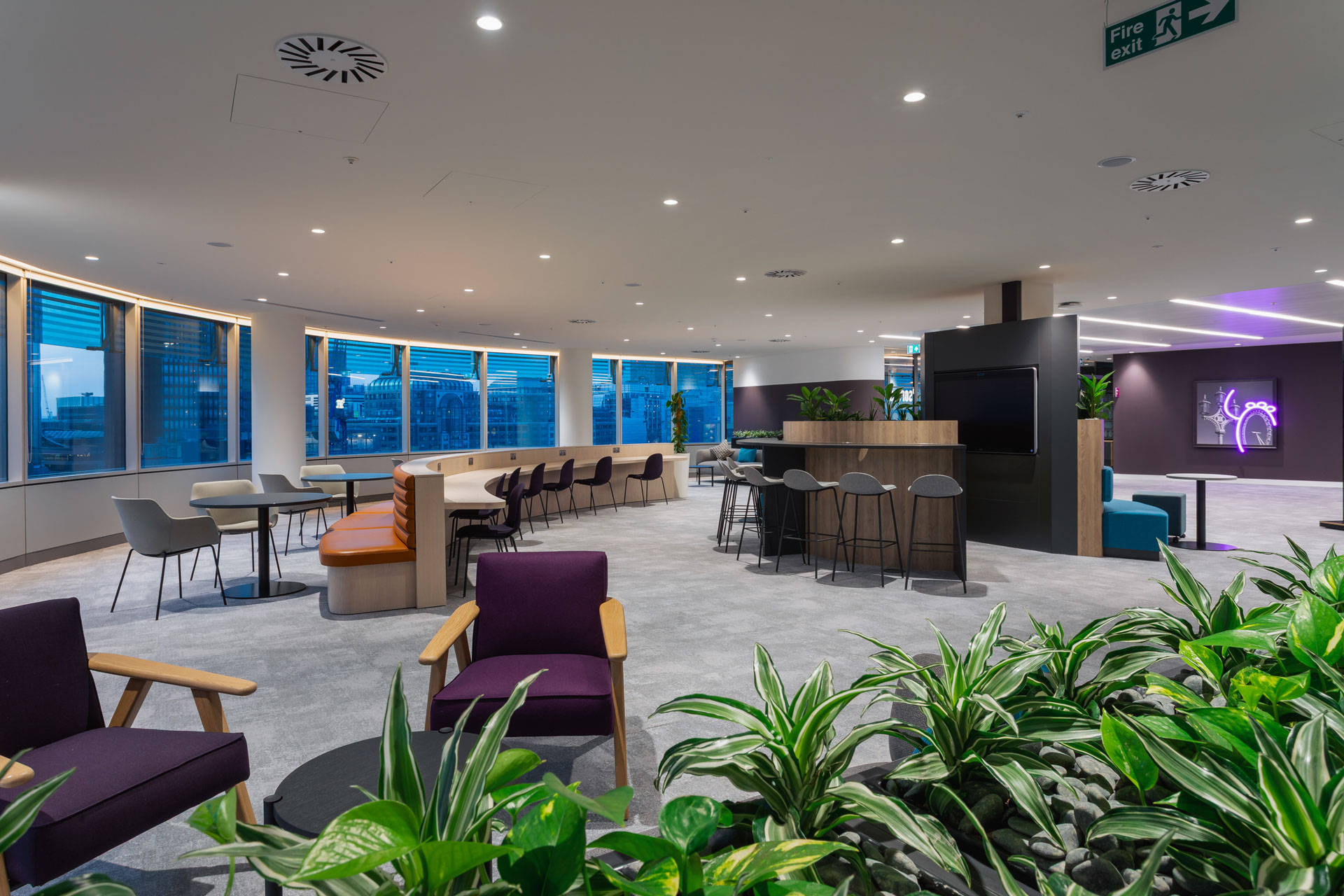
Helping clients achieve recognised sustainability standards
Claremont designs projects in line with SKA Environmental principles as standard and has extensive experience delivering projects that achieve recognised sustainability benchmarks.
Achieving accreditation requires collaboration at every stage. Working closely with clients, landlords, designers and contractors, we ensure sustainability requirements are considered early, evidence is captured correctly and project decisions support the desired outcome.
Alongside SKA, we regularly support clients pursuing BREEAM, Fitwel, LEED and NABERS targets, helping them demonstrate measurable sustainability performance, enhance workplace wellbeing and achieve their wider ESG ambitions. Whether the goal is improving environmental performance, measuring operational building efficiency or creating healthier spaces for employees, we work with clients to identify the most appropriate framework for their needs and support them throughout the certification process.
Leading by example
Our commitment to sustainability extends beyond client projects and into our own business operations.
Claremont measures and reports all relevant Scope 1, 2 and 3 carbon emissions annually through an independently verified process. We have established board-level sustainability objectives and are committed to reducing emissions by 8% year on year, with a long-term ambition of achieving a 90% reduction by 2050.
Transparency is a key part of this journey. Through disclosure to CDP and ongoing performance monitoring, we openly track our progress and hold ourselves accountable for delivering against our sustainability commitments.
Our sustainability performance is also independently assessed through EcoVadis, covering environmental management, labour and human rights, ethics and sustainable procurement. Recent assessments have recognised particularly strong performance across environmental and human rights measures, reflecting the maturity of our sustainability management systems.
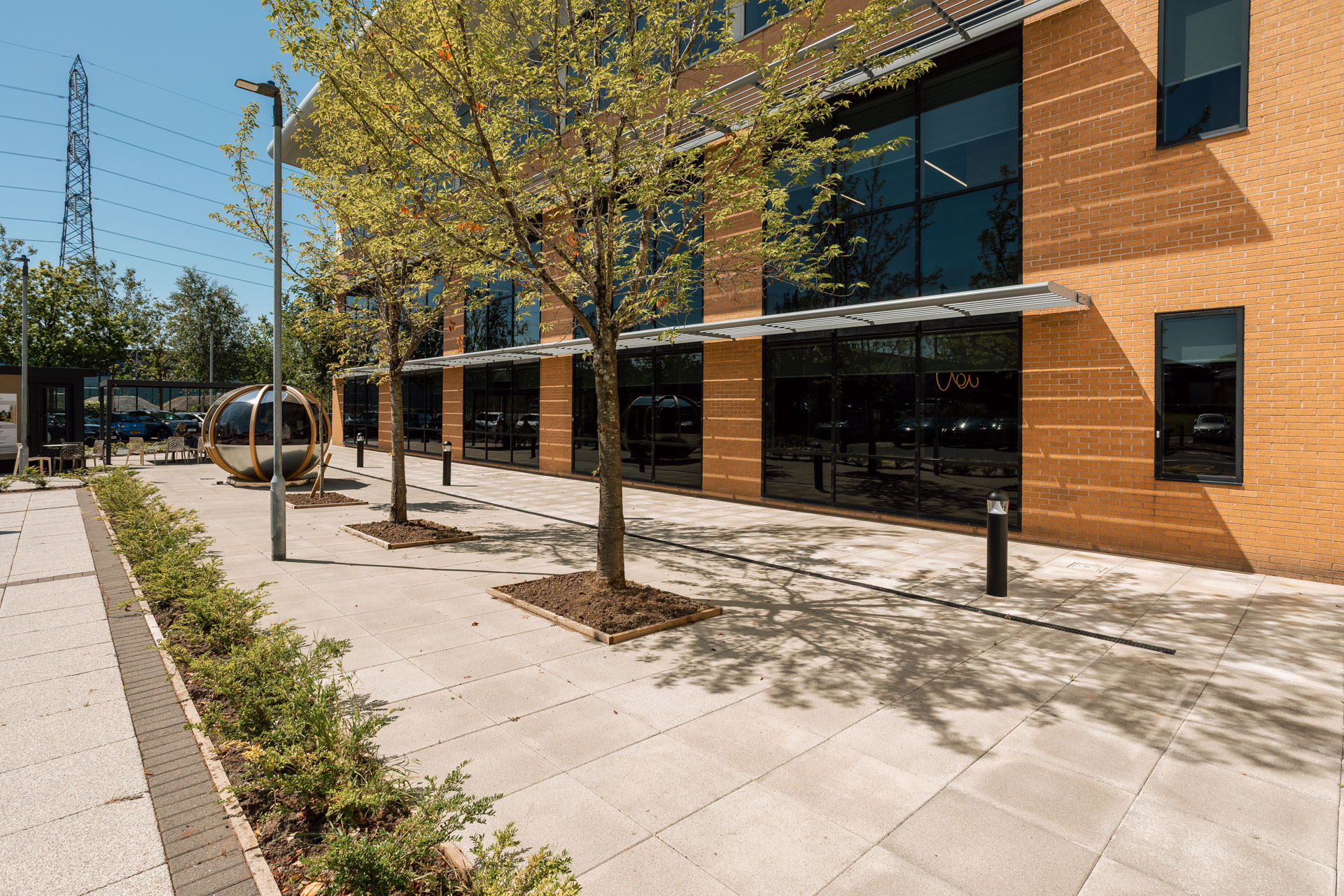
Investing in sustainable operations
We continually invest in initiatives that reduce our environmental impact and support the transition to a lower-carbon future.
This includes operating an electric van fleet and providing an employee electric vehicle scheme, which has seen strong adoption across the business. To support this shift, we offer free EV charging facilities at our headquarters, making sustainable travel a practical choice for our people.
We have also invested in on-site solar panels, generating renewable energy for our operations while exporting surplus electricity back to the grid. Alongside these larger initiatives, we make conscious choices in our day-to-day operations, from sourcing environmentally responsible office consumables to continually reviewing how we can reduce waste and improve efficiency across the business.
By embedding sustainability into both our client work and our own operations, we ensure that our actions reflect the same principles we help our clients achieve.
Sustainability in practice
Our approach has been applied across a range of workplace projects, helping clients achieve their sustainability ambitions while creating high-performing environments. Examples include:
- Grant Thornton Liverpool, where reuse and circular economy principles played a central role.
- Softcat workplaces designed in line with Fitwel and SKA principles.
- LGT projects achieving BREEAM and SKA sustainability objectives.
- Allianz projects delivered in accordance with SKA requirements.
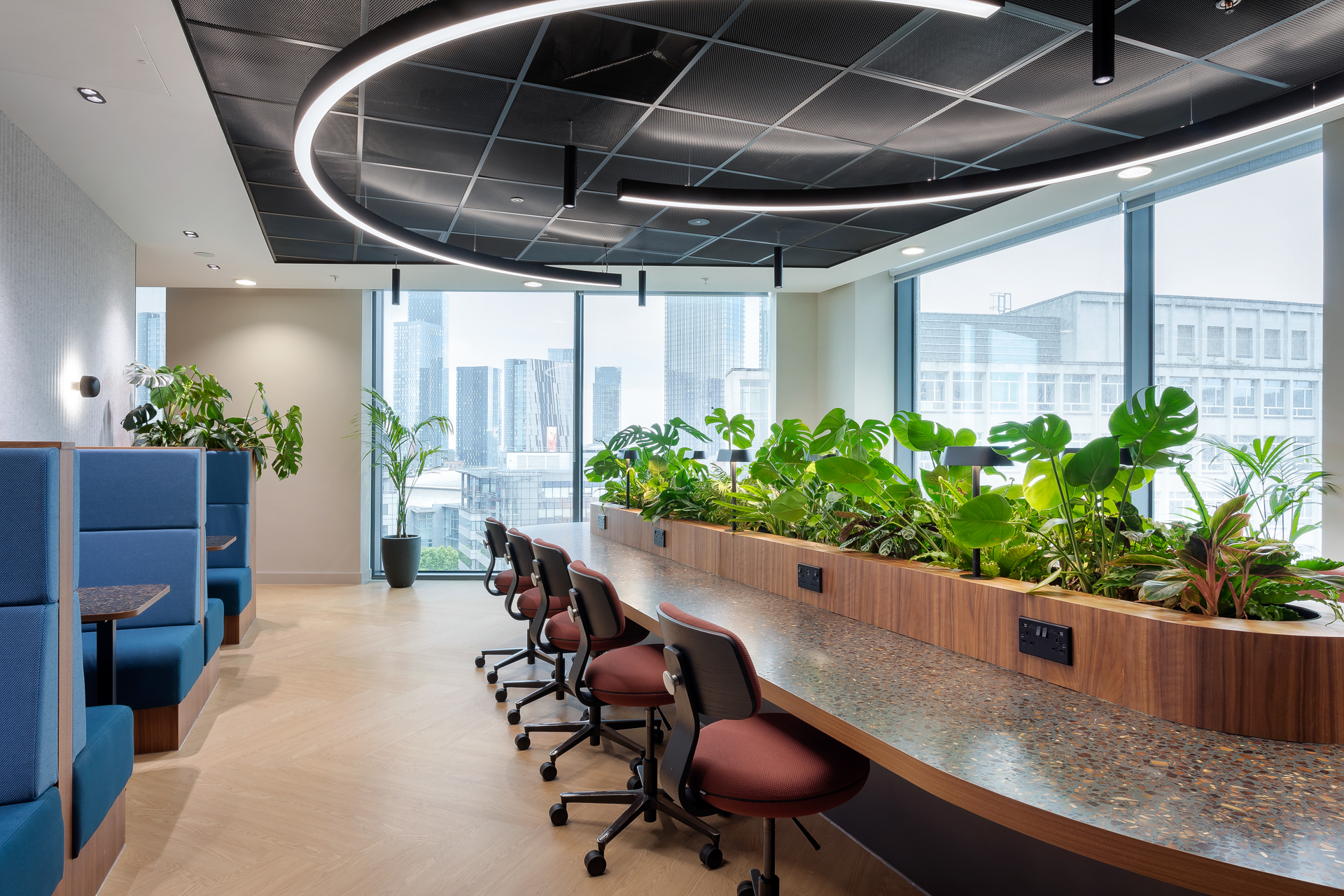
Building a more sustainable future
As workplace requirements continue to evolve, sustainability will remain a key factor in how organisations evaluate property, design workplaces and support their people. At Claremont, we’re committed to helping clients navigate that challenge through practical, measurable and deliverable sustainability strategies that create long-term value for businesses, employees and the environment.
Our thinking
Catch up with out latest thoughts on transforming the workplace, and explore our ‘Future Flexible – The Destination Office’ concept

See how we could help with your new office interior design or office design and build project here
Get in touch
We love nothing better than talking all things workplace and design – got a question, potential project or just need some guidance?
Drop us a note…