

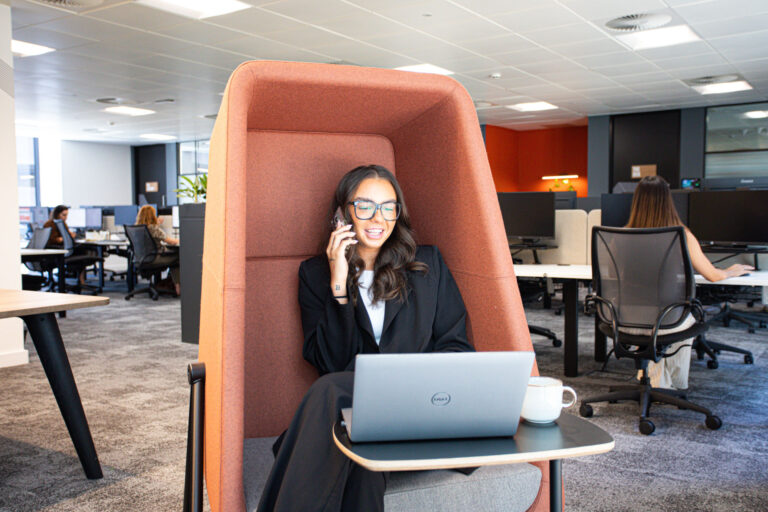
What does hybrid working mean?
Date
24 November 2025
Read length
4 min
Hybrid working is a flexible working model where employees split their time between working remotely and working from a physical workplace, such as an office.

For some businesses, this means employees come into the office on set days each week. For others, teams choose where they work based on their tasks, meetings or personal working style.
In simple terms, hybrid working combines the flexibility of remote work with the collaboration, connection and culture-building benefits of the office. It gives people more choice in how and where they work, while still recognising the value of bringing teams together in person.
However, successful hybrid working does not happen by accident. It requires the right culture, technology, leadership, policies and workplace design. Without these, hybrid work can quickly become inconsistent, confusing or disconnected.
What does hybrid work mean in practice?
Hybrid work means different things to different organisations. There is no single model that works for every business, team or sector.
In practice, hybrid working usually involves a mix of home working, office working and sometimes flexible working arrangements. The goal is to give employees more control over where they work best, while still ensuring the business can operate efficiently.
A good hybrid model should answer important questions. When do people need to be in the office? Which tasks are best done remotely? Which activities benefit most from face-to-face collaboration? How will teams communicate when people are in different locations? And how will the office support the reasons people come in?
This is why hybrid working should be treated as a workplace strategy, not simply a policy.
Common types of hybrid working
There are several ways businesses can approach hybrid working. The right model will depend on the nature of the organisation, the type of work being carried out and the needs of employees.
A fixed hybrid model is where the business sets specific office and remote working days. For example, employees may be expected to work from the office every Tuesday and Thursday, with the remaining days spent remotely. This can provide structure and consistency, but may offer less flexibility for employees whose tasks vary throughout the week.
A flexible hybrid model gives employees more choice over when they come into the office. They may choose to work remotely when they need focus time and use the office for meetings, collaboration, training or social connection. This approach works best when supported by clear expectations, good technology and a workplace designed around different activities.
An office-first hybrid model keeps the office as the main place of work, while still allowing some remote working. This can suit businesses that rely heavily on in-person collaboration, client-facing work or access to specialist facilities.
A remote-first hybrid model makes remote working the default, with the office used more selectively for team days, workshops, onboarding, meetings or cultural moments that can only occur in the office. In this model, the office needs to work especially hard as a destination for connection and shared experience.
What are the benefits of hybrid working?
Hybrid working can offer significant benefits when it is planned properly. For employees, it can support better work-life balance, reduce commuting time and provide more control over how they structure their working week.
For businesses, hybrid working can support employee satisfaction, talent attraction, productivity and more efficient use of office space. It can also encourage organisations to think more strategically about what their workplace is actually for.
Some of the key benefits include greater flexibility, better support for different working styles, more focused work time, stronger collaboration when teams come together intentionally and the opportunity to rethink how office space is used.
The key phrase here is “planned properly”. Hybrid working can only deliver these benefits if the workplace, technology and culture support it.
What are the challenges of hybrid working?
Hybrid working also comes with challenges. If expectations are unclear, employees may be unsure when they should come into the office or how they are expected to work with others. This can lead to frustration, inconsistent attendance and a weaker sense of team connection.
Common challenges can sometimes include poor communication between office-based and remote employees, meeting fatigue, uneven employee experiences, underused office space, lack of suitable rooms for hybrid meetings and difficulty maintaining culture.
These challenges are not reasons to avoid hybrid working. They are reasons to plan it properly. A successful hybrid workplace guide should consider people, place and technology together, defining how teams work, what role the office plays and how the physical environment can support better collaboration, focus and wellbeing.
What does hybrid working mean for office design?
Hybrid working has changed the purpose of the office. In many organisations, the office is no longer simply a place where everyone comes to work at the same desk every day.
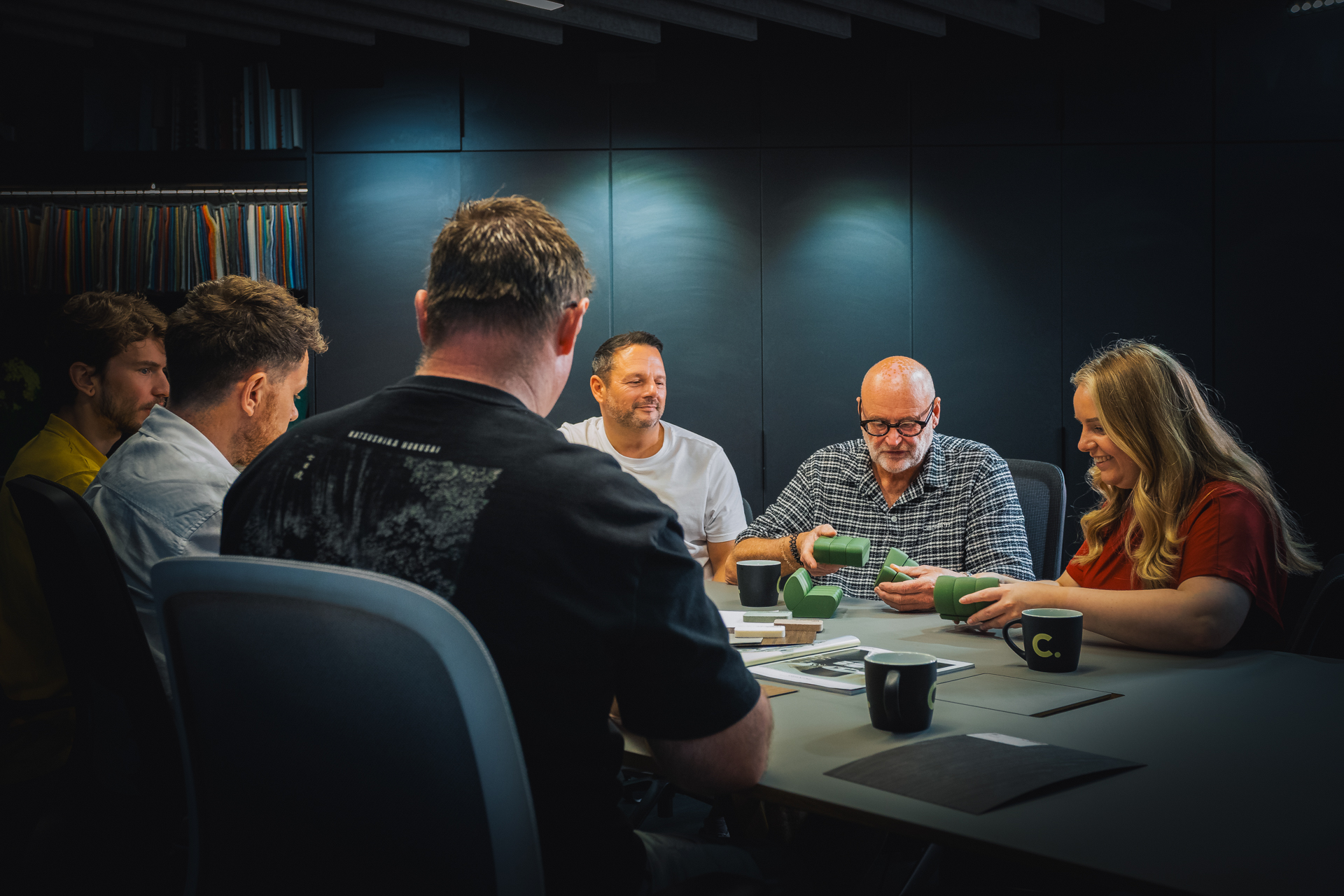
Instead, the office needs to offer something people cannot always get at home. That might include face-to-face collaboration, better meeting facilities, social connection, mentoring, learning, creative workshops or access to specialist technology.
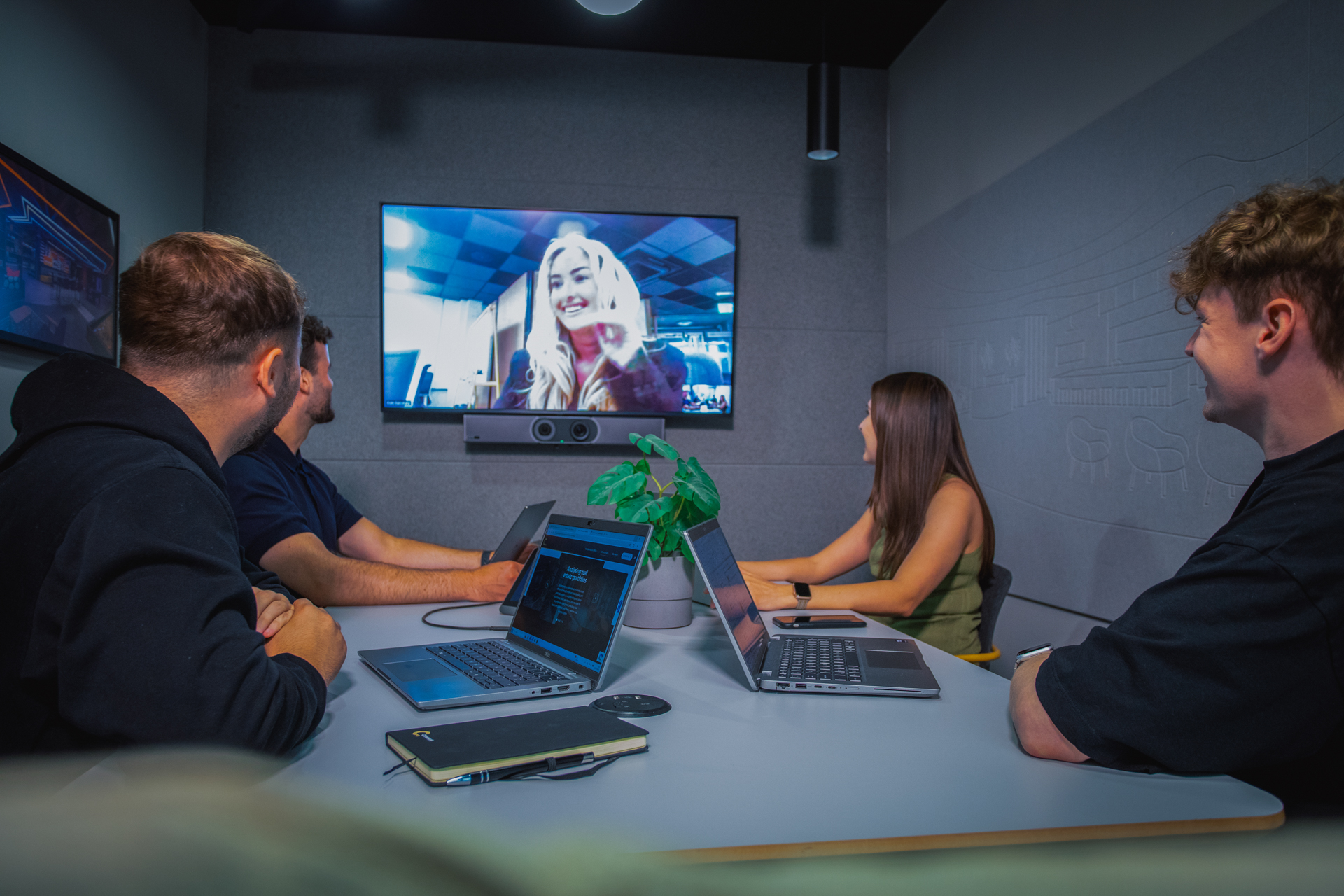
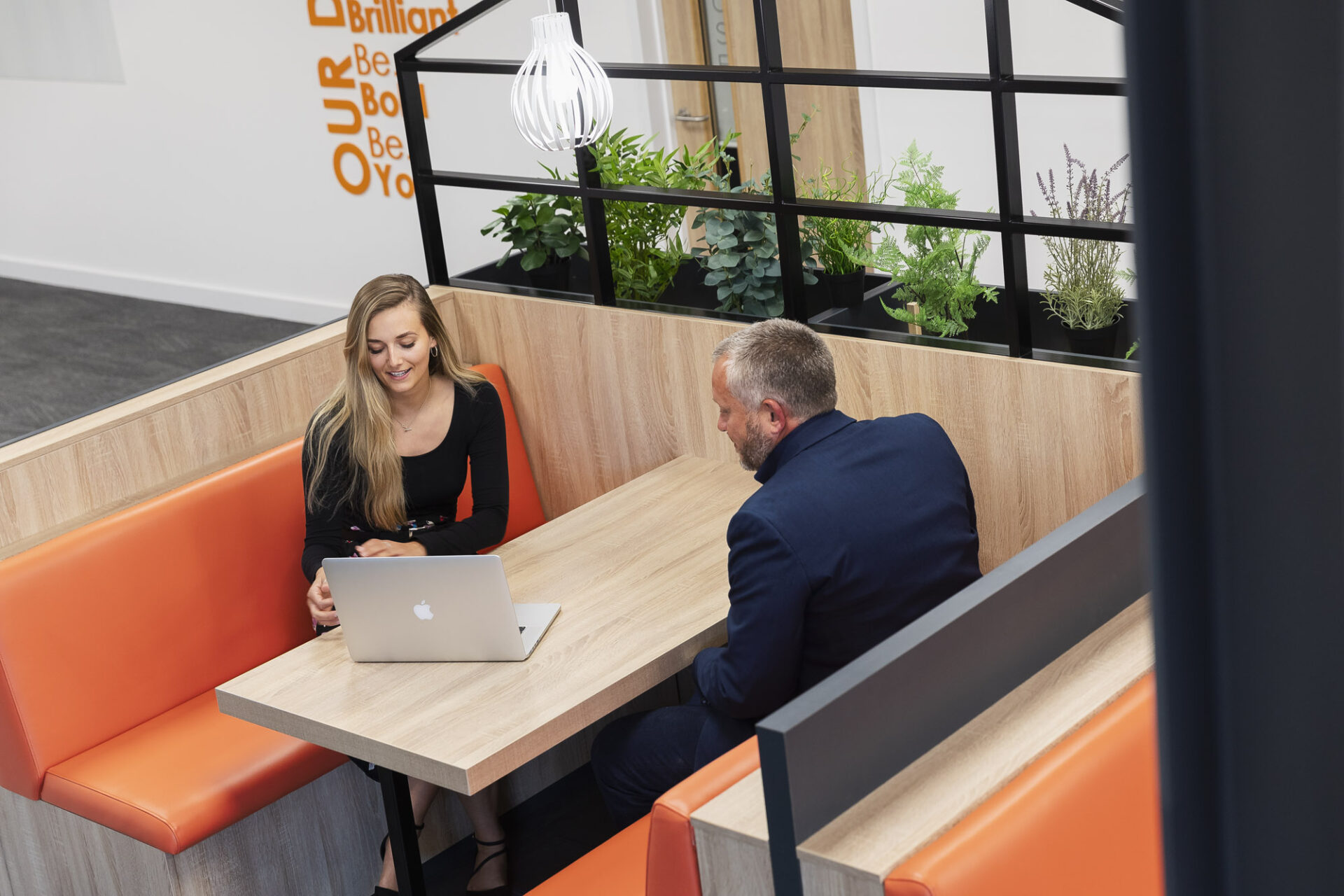
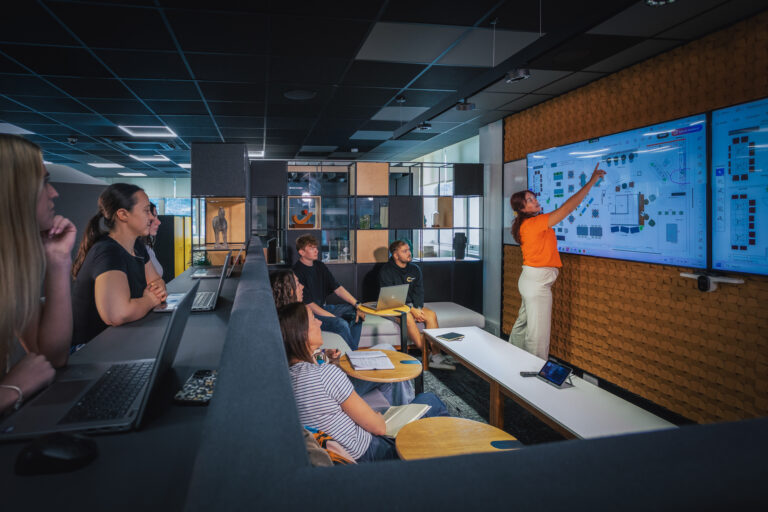
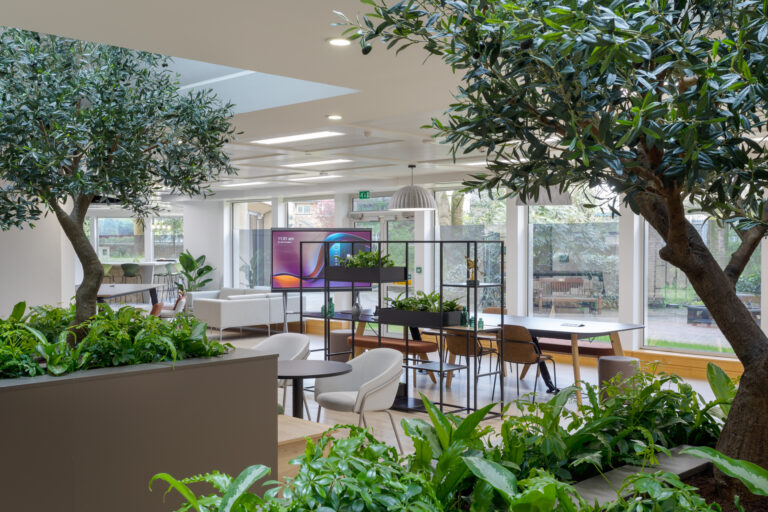
A successful hybrid office may include collaboration spaces for project work, quiet areas for focused tasks, meeting rooms designed for both in-person and remote attendees, informal breakout spaces, touchdown desks and technology-enabled rooms for video calls and presentations.
The best hybrid offices are not designed around how many desks can fit into a space. They are designed around how people use the workplace and what they need when they come in.
Why the office still matters
Hybrid working does not mean the office is no longer needed. In many ways, it makes the office more important.
If people are no longer required to attend every day, the workplace needs to give them a clear reason to visit. It needs to support purposeful activity, whether that is collaborating with colleagues, meeting clients, building relationships or reconnecting with company culture.
This is where workplace consultancy can add real value. By understanding how people work, how often they use the office and what they need from the space, businesses can create a hybrid workplace that is based on evidence rather than assumptions.
How Claremont can help
At Claremont, we help organisations create workplaces that support modern working patterns, including hybrid and flexible working.
Our approach brings together workplace consultancy, interior design, fit-out, furniture and workplace technology to create offices that work for people and businesses. We help organisations understand how their teams use space, what their office needs to achieve and how the workplace can support culture, collaboration, wellbeing and performance.
Whether you are introducing hybrid working, refining an existing model or rethinking your office after a period of change, we can help you create a workplace that is practical, purposeful and future-ready.
Create a hybrid workplace that works
Hybrid working means giving people greater flexibility over where and how they work. But for hybrid work to succeed, the office still has a vital role to play.
The most effective hybrid workplaces are not just flexible. They are intentional. They are designed around people, shaped by insight and supported by the right technology, culture and leadership.
If your organisation is reviewing its hybrid working model, Claremont can help you create a workplace that supports connection, productivity and long-term business performance.
Our thinking
Catch up with out latest thoughts on transforming the workplace, and explore our ‘Future Flexible – The Destination Office’ concept
See how we could help with your new office interior design or office design and build project here
Get in touch
We love nothing better than talking all things workplace and design – got a question, potential project or just need some guidance?
Drop us a note…